
Pain has a way of affecting every aspect of daily life. Whether it starts with a sports injury, repetitive strain from work, arthritis, or persistent muscle tension, ongoing discomfort can make even simple activities feel challenging. At Complete Performance Chiropractic, we understand how frustrating it is when pain keeps you from doing the things you enjoy. Our goal is to help patients recover as efficiently as possible while addressing the underlying cause of their symptoms rather than simply masking them.
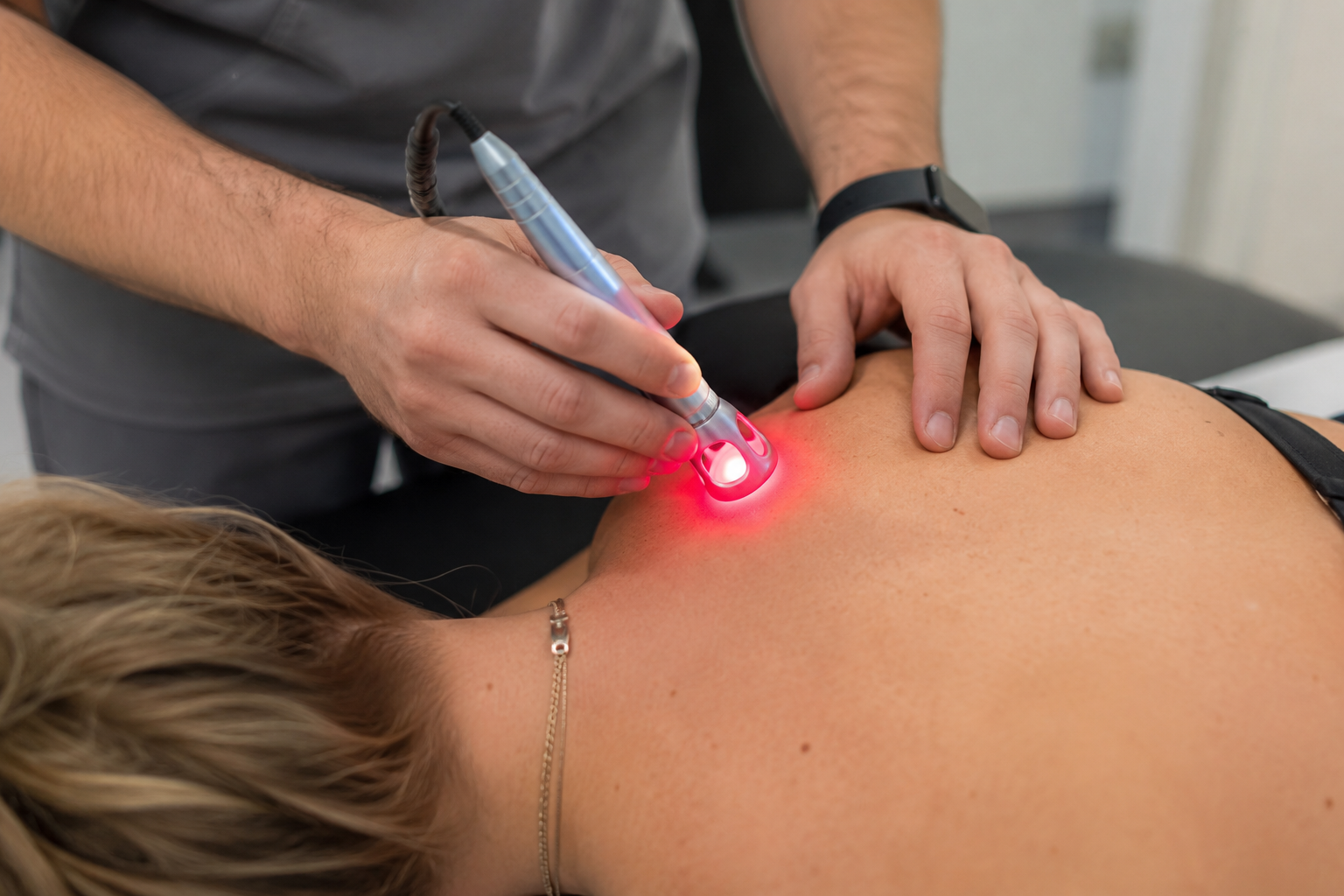
One treatment that has become an important part of our comprehensive approach to rehabilitation is advanced laser therapy. This innovative, non-invasive treatment helps stimulate the body’s natural healing response, allowing damaged tissues to repair more efficiently while reducing inflammation and pain. When combined with personalized chiropractic care, rehabilitation exercises, and other conservative therapies, laser therapy can become an effective tool for supporting recovery from a wide range of musculoskeletal conditions.
In this guide, we’ll explain how advanced laser technology works, what conditions it may help treat, what to expect during treatment, and why many patients choose laser therapy as part of their personalized recovery plan.
What Is Advanced Laser Therapy?
Laser therapy, sometimes referred to as therapeutic laser therapy or photobiomodulation, uses specific wavelengths of light to stimulate cellular activity beneath the skin, according to WebMD. Unlike surgical lasers that cut or remove tissue, therapeutic lasers are designed to encourage healing without damaging surrounding structures.
The laser energy penetrates through the skin into muscles, tendons, ligaments, joints, and other soft tissues. Once absorbed by cells, this light energy helps improve cellular metabolism and supports the production of adenosine triphosphate (ATP), which serves as the primary energy source for cells.
When cells have more available energy, they may function more efficiently during the healing process. This can contribute to reduced inflammation, improved circulation, accelerated tissue repair, and decreased pain sensitivity.
Because laser therapy works by supporting the body’s own healing mechanisms, it fits well into conservative treatment plans that focus on restoring function naturally rather than relying solely on medication.
How Laser Therapy Supports Faster Recovery
Healing is a complex biological process involving inflammation, tissue repair, circulation, and cellular regeneration. While every injury heals at its own pace, several factors can slow recovery, including poor blood flow, chronic inflammation, repetitive stress, age-related tissue changes, and continued mechanical irritation.
Laser therapy helps support multiple stages of healing simultaneously.
Reduces Inflammation
Inflammation is a natural response after injury. Initially, it helps protect damaged tissue, but prolonged inflammation can delay recovery and contribute to chronic pain.
Laser therapy helps regulate inflammatory responses, allowing tissues to transition into the repair phase more efficiently. As inflammation decreases, swelling often improves, making movement more comfortable.
Improves Circulation
Healthy circulation is essential for delivering oxygen and nutrients to injured tissues while removing metabolic waste products.
Laser therapy encourages improved microcirculation within the treatment area. Better blood flow provides tissues with the resources needed for repair while helping reduce stiffness and soreness.
Stimulates Cellular Repair
The increased cellular energy produced during laser therapy supports tissue regeneration. Muscles, tendons, ligaments, fascia, and connective tissues all depend on healthy cellular activity to recover after injury.
Instead of simply covering up pain, laser therapy helps create an environment that supports natural healing.
Helps Manage Pain
Pain often results from a combination of inflammation, muscle guarding, tissue damage, and nerve irritation.
Laser therapy may help decrease pain by reducing inflammation, calming irritated nerves, improving circulation, and encouraging tissue recovery. Many patients notice gradual improvements in both pain levels and mobility throughout their treatment plan.
Conditions That May Benefit from Laser Therapy
One of the greatest advantages of advanced laser therapy is its versatility. Since many musculoskeletal conditions involve inflammation and tissue damage, laser therapy may complement treatment for numerous injuries.
Some of the conditions we commonly evaluate include:
Neck Pain
Poor posture, prolonged computer use, muscle strain, and degenerative changes may all contribute to persistent neck discomfort.
Laser therapy may help reduce muscle tension, calm inflamed tissues, and improve mobility while we address spinal alignment and movement patterns through chiropractic care.
Back Pain
Back pain remains one of the most common reasons people seek conservative care. Muscle injuries, ligament sprains, joint dysfunction, and disc-related problems can all limit daily activities.
Laser therapy may help reduce inflammation around injured tissues while supporting healing alongside chiropractic adjustments and rehabilitation exercises.
Shoulder Injuries
Shoulder pain often develops because of repetitive overhead activities, rotator cuff irritation, bursitis, tendon injuries, or joint inflammation.
Improving tissue healing may allow patients to regain range of motion more comfortably during rehabilitation.
Knee Pain
The knee absorbs significant stress during walking, running, climbing stairs, and athletic activities.
Laser therapy may assist with recovery from ligament injuries, tendon irritation, arthritis, and overuse conditions by supporting tissue repair and reducing inflammation.
Tennis Elbow and Golfer’s Elbow
Repetitive gripping and wrist movements can create microscopic tendon damage around the elbow.
Laser therapy may encourage tendon healing while helping decrease pain associated with these common overuse injuries.
Plantar Fasciitis
Heel pain caused by plantar fasciitis often makes the first steps in the morning especially uncomfortable.
By targeting inflamed soft tissues, laser therapy may help reduce pain while supporting the healing of the plantar fascia.
Tendonitis
Inflamed tendons can become painful with movement and may take weeks or months to recover.
Laser therapy helps create an environment that supports tissue repair, making it a valuable addition to conservative tendon rehabilitation.
Sports Injuries
Athletes place significant demands on their muscles, ligaments, joints, and connective tissues.
Whether recovering from a sprain, strain, muscle pull, or repetitive overuse injury, laser therapy may help reduce downtime while supporting safe recovery.
Acute Versus Chronic Pain
Laser therapy can be useful for both recent injuries and long-standing pain conditions.
Acute Injuries
Recent injuries often involve swelling, bruising, inflammation, and tissue damage.
Examples include:
Muscle strains
Ligament sprains
Sports injuries
Whiplash
Joint injuries
Tendon irritation
Early treatment may help reduce inflammation before chronic pain patterns develop.
Chronic Pain
Pain that lasts for several months frequently involves ongoing inflammation, muscle compensation, reduced circulation, and tissue changes.
Examples include:
Arthritis
Chronic neck pain
Chronic low back pain
Tendon disorders
Repetitive stress injuries
Long-term muscle tightness
Supporting tissue health can help improve function even when symptoms have persisted for an extended period.
Why We Include Laser Therapy in Comprehensive Care
Pain rarely develops for only one reason.
Someone with shoulder pain may also have poor posture. A runner with knee pain may have hip weakness. A patient with chronic back pain may have spinal joint restrictions combined with muscle imbalances.
Rather than focusing on one symptom, we evaluate the body as a whole.
Laser therapy becomes one component of a larger treatment strategy that may also include:
Chiropractic adjustments
Functional rehabilitation
Corrective exercises
Soft tissue therapy
Movement education
Lifestyle recommendations
Injury prevention strategies
By combining therapies that address both symptoms and underlying mechanical problems, we strive to help patients experience longer-lasting improvements instead of temporary relief.
What Happens During a Laser Therapy Session?
Many patients are pleasantly surprised by how comfortable laser therapy feels.
Before beginning treatment, we perform a thorough evaluation to understand your condition, review your symptoms, and determine whether laser therapy is an appropriate option.
During treatment:
The laser device is positioned over the injured area.
Protective eyewear may be provided.
The laser is moved slowly across the treatment region.
Sessions typically last only several minutes depending on the size of the area being treated.
Most patients describe the sensation as gentle warmth. The procedure is non-invasive and does not involve injections, incisions, or lengthy recovery periods.
Because the treatment is comfortable, many patients return to work or normal daily activities immediately afterward.
Who May Be a Good Candidate?
Laser therapy may be appropriate for individuals experiencing:
Persistent joint pain
Muscle injuries
Tendon problems
Ligament sprains
Sports injuries
Arthritis-related discomfort
Neck pain
Back pain
Shoulder pain
Knee pain
Foot pain
Repetitive stress injuries
Every patient is unique, which is why we begin with a comprehensive evaluation before recommending any treatment plan. Understanding your health history, activity level, goals, and the underlying source of your symptoms allows us to develop a personalized approach that supports both pain relief and long-term function.
What Results Can You Expect?
Every patient’s recovery is different, and results depend on factors such as the nature of the injury, how long symptoms have been present, overall health, and how closely the treatment plan is followed. While laser therapy is not an instant cure, many patients notice gradual improvements in pain, mobility, and function as their treatment progresses.
For acute injuries, some individuals experience relief after only a few sessions because the therapy helps manage inflammation early in the healing process. Chronic conditions, on the other hand, often require a series of treatments to support tissue repair and address long-standing inflammation.
Laser therapy is most effective when it is part of a comprehensive care plan. Along with in-office treatments, we may recommend stretching, strengthening exercises, posture modifications, ergonomic adjustments, or activity changes to help support recovery and reduce the likelihood of future injuries.
Our objective is not only to help you feel better but also to help you move better and return to the activities that matter most to you.
Frequently Asked Questions
Is laser therapy painful?
No. Most patients find laser therapy to be comfortable. During treatment, you may feel a gentle warming sensation, but the procedure is non-invasive and does not involve needles or incisions.
How many treatments will I need?
The number of sessions depends on your diagnosis, the severity of your condition, and your individual response to care. After your evaluation, we’ll recommend a treatment plan tailored to your needs.
Can laser therapy replace chiropractic care?
Laser therapy and chiropractic care often work best together. While laser therapy supports healing at the cellular level, chiropractic care focuses on improving joint function, spinal alignment, and overall movement. Combining these therapies allows us to address both the symptoms and the underlying causes of many musculoskeletal conditions.
Is there any downtime after treatment?
In most cases, there is no downtime. Patients can usually return to work, exercise, or their regular daily activities immediately following their appointment unless we recommend temporary activity modifications based on your condition.
What types of conditions respond well to laser therapy?
Laser therapy may be beneficial for a variety of musculoskeletal conditions, including neck pain, back pain, shoulder injuries, knee pain, tendonitis, plantar fasciitis, muscle strains, ligament sprains, repetitive stress injuries, and arthritis-related discomfort.
Conclusion
Recovering from pain shouldn’t mean putting your life on hold. Whether you’re dealing with a recent injury, recurring discomfort, or chronic pain that has limited your activity for months, advanced laser therapy offers a modern, non-invasive way to support your body’s natural healing process.
At Complete Performance Chiropractic, we believe the best outcomes come from understanding the whole picture—not just where it hurts, but why it hurts. By combining advanced laser technology with chiropractic care, rehabilitation, and individualized treatment plans, we aim to help patients reduce pain, restore movement, and return to the activities they enjoy with greater confidence.
If you’re looking for a conservative approach that focuses on healing rather than simply masking symptoms, our team is here to help you explore whether laser therapy is the right fit for your recovery journey.
If pain is interfering with your work, hobbies, athletic performance, or everyday routine, don’t wait for it to become more limiting. Our team at Complete Performance Chiropractic is committed to providing personalized care designed to help you recover safely and efficiently. Contact us today to schedule a comprehensive evaluation and learn whether advanced laser therapy can become an important part of your treatment plan.
📍 Address:
Complete Performance Chiropractic
3920 S Old Highway 94, Suite 33
Saint Charles, MO 63304
United States
📞 Phone: (636) 925-1919
🌐 Website: drleitman.com