
Ehlers-Danlos Syndrome Awareness: When Flexibility Becomes Joint Instability
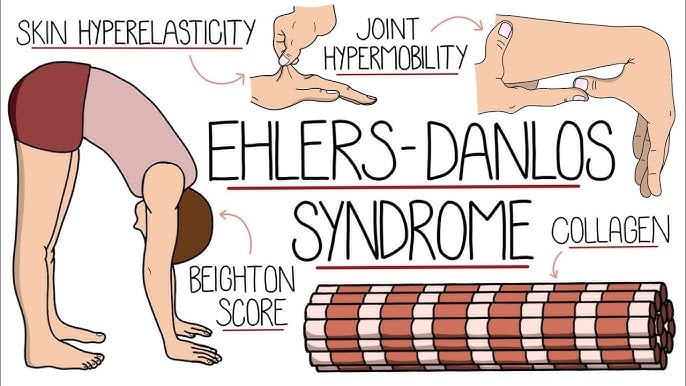
Being flexible often sounds like a good thing. For someone living with an Ehlers-Danlos syndrome, flexibility might come with joint instability, repeated injuries, chronic pain, fatigue, and daily movement challenges.
The Ehlers-Danlos syndromes, often shortened to EDS, are a group of inherited connective tissue disorders. Connective tissue supports the joints, skin, blood vessels, and many other parts of the body. Each type of EDS has its own diagnostic criteria and medical concerns.
What Does Joint Hypermobility Mean?
Joint hypermobility means a joint moves beyond the range expected for most people. Some people have flexible joints without pain or health problems. EDS and hypermobility spectrum disorders involve more than flexibility alone.
Common musculoskeletal concerns include:
- Unstable joints
- Frequent sprains and strains
- Partial or complete joint dislocations
- Neck, back, or joint pain
- Poor balance or body awareness
- Muscle fatigue
- Pain after normal daily activity
People with hypermobile EDS also report symptoms outside the joints, including fatigue, headaches, digestive concerns, and autonomic nervous system problems.
Why EDS Often Gets Missed
EDS symptoms often appear unrelated. One provider looks at joint pain. Another looks at dizziness. Another looks at digestive concerns. Without awareness of the larger connective tissue issue, patients often receive fragmented care.
A thorough evaluation reviews medical history, family history, joint mobility, skin findings, repeated injuries, and symptoms involving other body systems. Most EDS types have known genetic causes. Hypermobile EDS currently relies on clinical diagnostic criteria because no confirmatory genetic test exists.
Stability Matters More Than Extra Stretching
More stretching is rarely the answer for an already unstable joint. Management often focuses on strength, joint control, posture, balance, and body awareness. Exercises should stay controlled and progress gradually.
Physical therapy, occupational therapy, braces, splints, and individualized pain management often form part of a broader care plan.
Important Precautions Before Hands-On Care
Every healthcare provider should know about an EDS or hypermobility spectrum disorder diagnosis before treatment begins.
The Ehlers-Danlos Society advises against forceful spinal and neck manipulation for people with EDS and HSD because of risks linked to joint instability, blood vessels, and surrounding tissues. Some people report benefits from gentle hands-on care, but the approach needs to stay cautious, individualized, and coordinated with the patient’s medical team.
When Should You Speak With a Healthcare Provider?
Schedule an evaluation when excessive flexibility appears alongside:
- Repeated joint injuries
- Joint dislocations or partial dislocations
- Long-term widespread pain
- Unusual bruising or skin fragility
- A family history of EDS
- Symptoms affecting several body systems
An accurate diagnosis helps guide safer exercise, medical monitoring, pain management, and referrals.
Start With an Honest Conversation
Complete Performance Chiropractic does not treat Ehlers-Danlos syndrome as a stand-alone condition. Our team reviews your symptoms, health history, diagnosis, and goals before discussing any service. When another provider or specialist represents the right next step, we will tell you.
Call Complete Performance Chiropractic at (636) 925-1919 to request a consultation and discuss your musculoskeletal concerns.
Complete Performance Chiropractic
3920 S. Old Highway 94, Suite 33
St. Charles, Missouri 63304