
Knee pain is a pervasive issue affecting millions of adults worldwide. Whether from arthritis, injury, overuse, or age-related degeneration, chronic knee discomfort can significantly diminish your quality of life, limit mobility, and interfere with work, sports, and daily activities. Many people assume that surgery is the only viable solution for knee pain. However, recent advancements in conservative, non-surgical treatments provide effective alternatives for improving knee function and alleviating pain.
At Complete Performance Chiropractic in St. Charles, Missouri, the Knee-On-Trac system offers a cutting-edge, non-invasive solution for knee decompression therapy. This therapy focuses on relieving pressure, improving joint mechanics, and supporting tissue healing—all without surgery. In this comprehensive article, we’ll explore what Knee-On-Trac therapy is, how it works, its benefits, who is a good candidate, what to expect during treatment, common conditions treated, and how this therapy compares to other interventions. By the end, you’ll understand why this advanced therapy may be the solution you’ve been seeking.
Understanding Knee Decompression
What Is Knee Decompression?
Knee decompression is a therapeutic process that applies controlled traction and joint mobilization to the knee. The primary goal is to relieve pressure in the knee joint, improve alignment, enhance circulation, reduce inflammation, and promote tissue repair. Unlike treatments that merely mask pain with medications or injections, knee decompression aims to address the underlying biomechanical issues that contribute to pain and degeneration.
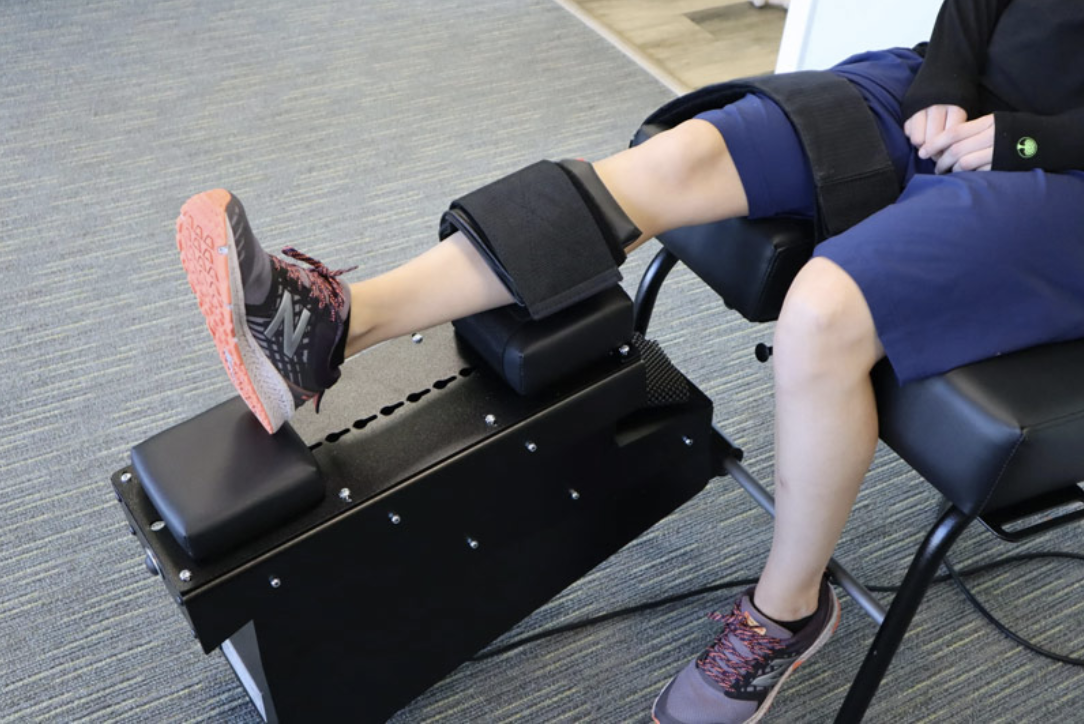
The Knee-On-Trac system is a specialized device designed to perform precise knee decompression in a safe and effective manner. It allows the clinician to apply targeted traction, adjust the angle of the joint, and customize the therapy to each patient’s needs. By gently separating the joint surfaces, the therapy reduces stress on cartilage, ligaments, and menisci while improving synovial fluid movement and overall joint health.
How Knee-On-Trac Therapy Works
The Knee-On-Trac system combines mechanical traction with therapeutic positioning to enhance knee function. Treatment usually begins with the patient positioned comfortably while the device applies gentle, controlled traction to the knee joint. This helps relieve pressure, improve alignment, and increase range of motion. Therapeutic positioning supports proper joint movement and muscle activation. Sessions are typically guided by a clinician, ensuring safety, optimal tension, and progressive improvement in knee mobility and overall function.
Patient Assessment: A thorough evaluation is conducted to identify the source of knee pain and determine the most appropriate treatment plan. This may include a physical examination, review of imaging studies, and a discussion of the patient’s goals.
Traction Application: The patient’s leg is placed in the device, and gentle, controlled traction is applied. This process decompresses the knee joint, reduces pressure on tissues, and encourages improved alignment.
Adjunct Therapies: Many sessions incorporate complementary therapies such as laser therapy, shockwave therapy, and chiropractic adjustments to enhance tissue healing and reduce pain.
Rehabilitation Exercises: After decompression, patients are guided through strengthening and flexibility exercises that support knee stability and long-term joint health.
Progress Monitoring: Patients are regularly evaluated to assess improvements in pain, mobility, and function, allowing for adjustments to the therapy as needed.
By addressing both the structural and functional aspects of knee health, Knee-On-Trac therapy provides a comprehensive solution that goes beyond symptom relief.
Benefits of Non-Surgical Knee Decompression
Non-surgical knee decompression provides multiple advantages compared to traditional treatments like surgery or injections. It helps relieve joint pressure, reduce pain, and improve mobility without the risks associated with invasive procedures. This therapy promotes natural healing, enhances circulation, and supports cartilage health. Patients experience quicker recovery times, minimal discomfort, and no downtime. Additionally, it can be combined with physical therapy or other conservative treatments to maximize knee function and long-term joint health.
1. Non-Invasive and Low-Risk
Unlike surgical interventions, knee decompression requires no anesthesia, incisions, or extended recovery periods. This significantly reduces the risk of complications such as infection, blood clots, or post-operative pain.
2. Pain Relief Without Medication
While medications like NSAIDs or corticosteroid injections can provide temporary relief, they often come with side effects and do not address the underlying cause of knee pain. Knee-On-Trac therapy reduces pain by relieving pressure, improving alignment, and supporting natural healing processes.
3. Preservation of Joint Structures
Surgical procedures such as knee replacement remove or replace joint structures. Knee decompression, on the other hand, preserves the native anatomy, helping maintain long-term joint function.
4. Improved Mobility and Function
Patients often experience increased range of motion, enhanced stability, and better overall function, allowing them to return to daily activities, sports, or work more comfortably.
5. Complementary to Holistic Care
At Complete Performance Chiropractic, Knee-On-Trac therapy is part of a comprehensive, patient-centered approach that includes chiropractic care, rehabilitation exercises, laser therapy, and lifestyle guidance.
6. Cost-Effective
Compared to surgical interventions, non-surgical knee decompression can be a more affordable alternative, both in terms of direct medical costs and indirect costs such as time off work.
7. Faster Recovery
Because the therapy is non-invasive, patients experience minimal downtime and can resume normal activities more quickly than after surgery.
Who Is a Good Candidate?
Knee-On-Trac therapy is suitable for many patients experiencing knee pain. Ideal candidates include those suffering from arthritis, joint stiffness, or limited range of motion, as well as individuals recovering from knee injuries or surgeries. It benefits people seeking non-surgical pain relief, improved mobility, and enhanced joint function. Patients with chronic knee discomfort, inflammation, or early-stage cartilage wear can also benefit, making it a safe and effective option for a wide variety of knee-related conditions.
Have early to moderate knee osteoarthritis and wish to delay or avoid knee replacement surgery.
Have knee injuries such as meniscus tears, ligament strains, or overuse injuries, but do not require immediate surgery.
Have chronic knee pain that has not responded well to medications or injections.
Are motivated to participate in a comprehensive treatment program including rehabilitation exercises and lifestyle modifications.
Seek a non-invasive alternative to surgery for improving knee function and quality of life.
However, knee decompression may not be suitable for patients with severe joint damage, infection, or other conditions requiring immediate surgical intervention. A consultation with the team at Complete Performance Chiropractic is essential to determine if Knee-On-Trac therapy is appropriate.
Conditions Treated with Knee-On-Trac Therapy
Knee-On-Trac therapy is effective for treating a variety of knee conditions. It helps manage osteoarthritis, cartilage degeneration, and joint stiffness, while also supporting recovery from ligament or meniscus injuries. The therapy is beneficial for post-surgical rehabilitation, chronic knee pain, and inflammation, as well as improving mobility and range of motion. By reducing joint pressure and promoting proper alignment, Knee-On-Trac offers a non-invasive solution for both acute and long-term knee health concerns.
Osteoarthritis: Decompression reduces pressure on worn cartilage and promotes improved joint function.
Meniscus Injuries: Gentle traction can relieve stress on damaged meniscal tissue.
Ligament Strains: Supports healing by improving alignment and reducing joint stress.
Patellofemoral Pain Syndrome: Decreases knee cap tracking issues and associated discomfort.
Chronic Knee Pain: Provides long-term relief and improves mobility.
Post-Injury Rehabilitation: Supports recovery from trauma or overuse injuries.
By addressing mechanical stress and enhancing tissue healing, Knee-On-Trac therapy provides a comprehensive approach to knee care.
What to Expect During Treatment
Initial Assessment
During your first visit, the clinician will perform a detailed assessment of your knee and overall musculoskeletal health. This includes reviewing medical history, imaging studies, and discussing your goals. A personalized treatment plan is then developed based on your specific condition.
Decompression Sessions
Each session involves controlled traction using the Knee-On-Trac system. Patients may feel a gentle stretching or pulling sensation, which is typically well-tolerated. Sessions usually last 15-30 minutes, depending on the patient’s needs and the treatment protocol.
Rehabilitation and Strengthening
After decompression, patients are guided through exercises to strengthen the quadriceps, hamstrings, glutes, and hip stabilizers. These exercises help improve joint stability, prevent future injuries, and maximize the benefits of decompression therapy.
Progress Monitoring
Patients are regularly assessed to monitor improvements in pain, mobility, and function. Treatment plans are adjusted as needed to ensure optimal outcomes.
Long-Term Maintenance
Many patients benefit from periodic maintenance sessions to preserve knee function and prevent recurrence of pain. Lifestyle recommendations, weight management, and continued exercise are integral parts of long-term success.
Advantages Over Traditional Treatments
Surgery
Surgical procedures, such as knee replacement or arthroscopy, are invasive and require extended recovery periods. Knee-On-Trac therapy offers a non-invasive alternative that preserves the natural joint, reduces risk, and allows faster recovery.
Injections
Corticosteroid or hyaluronic acid injections provide temporary relief but do not address the underlying mechanical issues causing pain. Knee-On-Trac therapy treats the root cause, improving long-term outcomes.
Medications
Oral medications can reduce pain and inflammation but may have side effects such as gastrointestinal issues or liver toxicity. Knee decompression provides drug-free relief and supports natural healing.
Success Stories and Patient Testimonials
Patients who have undergone Knee-On-Trac therapy often report:
Significant reduction in knee pain.
Improved mobility and ability to perform daily activities.
Increased confidence in movement and exercise.
Delayed or avoided the need for surgery.
While individual results may vary, many patients experience life-changing improvements in comfort and function.
Frequently Asked Questions (FAQs)
Q: How many sessions are needed?
A: The number of sessions depends on the severity of the condition. Many patients start with 2-3 sessions per week for several weeks, tapering to maintenance sessions as improvement occurs.
Q: Is the therapy painful?
A: Most patients experience only a gentle stretching sensation. Mild post-session soreness similar to a workout is normal.
Q: Can I continue my regular activities?
A: Yes. Patients are encouraged to maintain normal daily activities while following the recommended rehabilitation exercises.
Q: Will it prevent knee surgery?
A: Knee-On-Trac therapy may help delay or avoid surgery, particularly when combined with rehabilitation and lifestyle changes. Severe structural damage may still require surgical intervention.
Q: Is it covered by insurance?
A: Coverage varies. It is recommended to check with your insurance provider and the clinic regarding coverage options.
Q: Who should not undergo this therapy?
A: Patients with severe joint damage, infection, or certain medical conditions may not be suitable candidates. The clinic will determine eligibility during the consultation.
Why Choose Complete Performance Chiropractic?
Located in St. Charles, Missouri, Complete Performance Chiropractic combines advanced technology with a holistic approach to knee care. Here’s why patients trust them:
Expert Team: Led by Dr. Eric Leitman, the clinic offers extensive experience in chiropractic and advanced knee therapies.
Comprehensive Care: Integrates Knee-On-Trac therapy with rehabilitation, laser therapy, and functional medicine.
Modern Facility: Equipped with cutting-edge technology for safe and effective treatment.
Patient-Centered Approach: Personalized care plans tailored to each patient’s goals.
Convenience: Easy access location and friendly staff ready to support your journey to improved knee health.
Tips for Maintaining Healthy Knees
Regular Exercise: Strengthen the muscles supporting the knee, including quadriceps, hamstrings, glutes, and core.
Maintain Healthy Weight: Excess weight increases joint stress and accelerates cartilage wear.
Proper Footwear: Supportive shoes reduce knee strain during daily activities.
Stretching: Maintain flexibility to reduce injury risk and improve mobility.
Avoid Overuse: Gradually increase activity levels and avoid repetitive stress.
Follow Rehabilitation Protocols: Consistency with exercises prescribed by your clinician is key to long-term success.
Conclusion
Knee pain doesn’t have to mean surgery or long-term reliance on medication. Advanced non-surgical knee decompression with Knee-On-Trac therapy offers a safe, effective, and conservative solution for individuals seeking relief and improved mobility. By targeting the underlying mechanical issues and supporting tissue healing, this therapy can transform your knee function, quality of life, and overall well-being.
At Complete Performance Chiropractic in St. Charles, MO, Dr. Eric Leitman and his team provide a holistic, patient-focused approach to knee care. From assessment to treatment to rehabilitation, every step is designed to maximize results, reduce pain, and restore function.
Take control of your knee health today! Contact Complete Performance Chiropractic to schedule your consultation:
📍 Address: 3920 S Old Highway 94, Suite 33, Saint Charles, MO 63304, United States
📞 Phone: (636) 925-1919
🌐 Website: https://drleitman.com
Don’t let knee pain limit your life. Discover the benefits of Knee-On-Trac therapy and start your journey toward pain-free movement, better mobility, and enhanced quality of life. Book your appointment today!