
Knee pain can have a major impact on your daily life, making even simple activities like walking, climbing stairs, or sitting comfortably feel challenging. For many, chronic knee discomfort limits mobility, interferes with work or hobbies, and affects overall quality of life. Too often, patients assume that surgery is the only solution to restore knee function. However, there is a safe and effective alternative that avoids the risks, recovery time, and complications associated with surgical procedures.
At Complete Performance Chiropractic in St. Charles, MO, patients struggling with knee pain can benefit from advanced non-surgical knee decompression therapy. This innovative treatment works by gently stretching the knee joint, reducing pressure on cartilage and ligaments, improving circulation, and promoting the body’s natural healing process. Unlike medications that only mask pain, knee decompression addresses the root cause of discomfort, helping patients regain strength, flexibility, and mobility.
This blog will guide you through everything you need to know about this therapy—how it works, its many benefits, who is an ideal candidate, what to expect during treatment, and why it may be the solution you’ve been searching for to live pain-free and enjoy life to the fullest.
Understanding Knee Pain and Its Causes
Before exploring non-surgical solutions for knee pain, it’s essential to understand why this discomfort occurs. The knee is one of the most complex and heavily used joints in the human body, responsible for supporting your weight, absorbing impact, and allowing smooth movement. It consists of bones—the femur, tibia, and patella—connected by strong ligaments that provide stability and prevent excessive movement. Surrounding these structures are tendons that attach muscles to the bones, enabling motion, and cartilage that cushions the joint and reduces friction. Synovial fluid lubricates the joint, helping maintain smooth movement and nourishment for cartilage. Because the knee is involved in almost every step, squat, or bend, it is highly susceptible to wear and tear, injuries, and degenerative conditions such as osteoarthritis. Understanding the anatomy and mechanics of the knee helps highlight why issues like pain, stiffness, or inflammation can develop and why targeted therapies like non-surgical knee decompression are effective solutions to restore function and relieve discomfort.
Common Causes of Knee Pain
Osteoarthritis
Osteoarthritis is a degenerative joint disease that affects millions of people worldwide. It occurs when the cartilage that cushions the knee gradually wears down, causing pain, stiffness, and inflammation.Injuries
Ligament tears (such as ACL injuries), meniscus tears, and other knee injuries can lead to chronic pain if not treated properly.Overuse
Repetitive activities, such as running, cycling, or squatting, can strain the knee joint over time, leading to inflammation and discomfort.Inflammatory Conditions
Conditions like rheumatoid arthritis or gout can also cause significant knee pain and swelling.Biomechanical Issues
Poor posture, misalignment of the knee, hip or ankle problems, and muscle imbalances can place extra stress on the knee joint.
Why Surgery Isn’t Always the Answer
Surgery is often considered a standard solution for severe knee pain, particularly in cases where cartilage damage is advanced or other treatments have failed. While surgical procedures like knee replacement can provide relief, they come with notable drawbacks. Recovery periods can be lengthy, requiring weeks or even months of physical therapy and limited mobility. There are also risks of complications, including infection, blood clots, or adverse reactions to anesthesia. Additionally, surgery may not always fully restore joint function or eliminate pain entirely. For many patients, non-surgical alternatives offer effective relief without these risks.
Extended recovery times: Surgery can require weeks to months of physical therapy.
Risks and complications: Infection, blood clots, and anesthesia-related risks are possible.
Limited long-term outcomes: Surgery doesn’t always guarantee complete pain relief or restored mobility.
For many patients, non-surgical options like knee decompression therapy can provide relief without these risks.
What Is Non-Surgical Knee Decompression?
Non-surgical knee decompression is a specialized therapeutic technique aimed at relieving pressure within the knee joint. By applying gentle, controlled traction, this therapy creates negative pressure inside the joint, which helps to relieve stress on cartilage, ligaments, and surrounding tissues. This decompression encourages the flow of nutrient-rich synovial fluid, which nourishes the cartilage and promotes natural healing. In addition, reducing joint pressure can help decrease inflammation and swelling, alleviating pain and improving mobility. Unlike medications or invasive procedures, non-surgical knee decompression targets the root cause of discomfort, making it an effective, safe, and non-invasive solution for chronic knee pain.
Helps circulate nutrient-rich synovial fluid to the cartilage
Reduces inflammation and swelling
Promotes natural healing of damaged tissues
Unlike medications that mask pain, knee decompression targets the root cause of the problem.
How Non-Surgical Knee Decompression Works
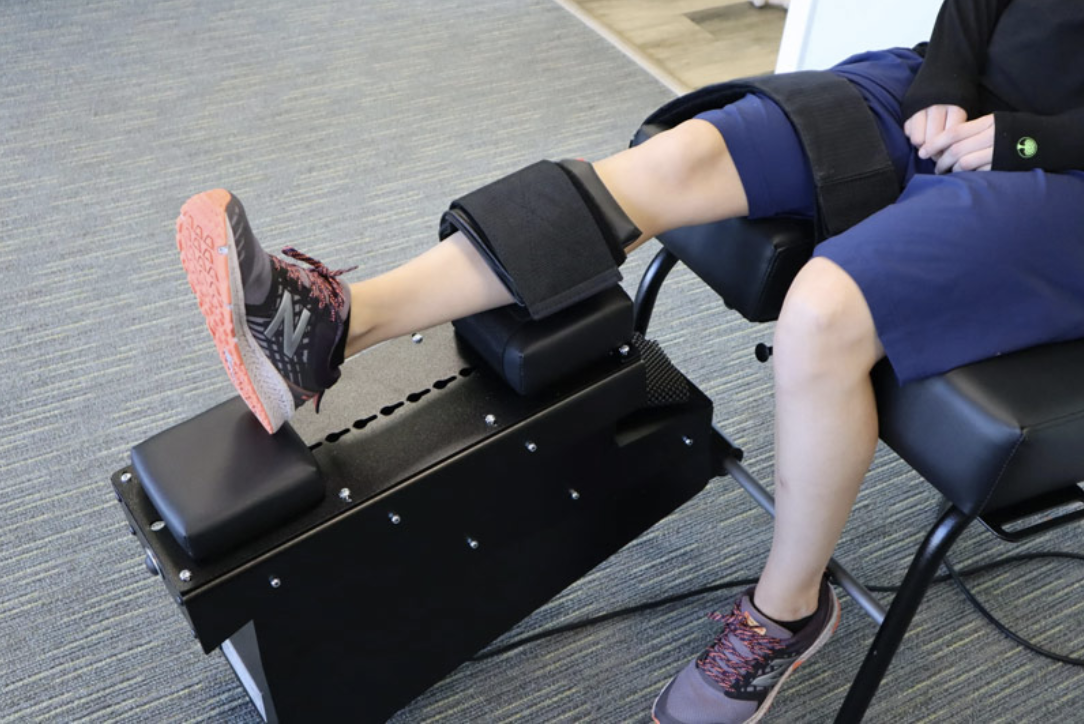
Non-surgical knee decompression therapy is performed using a specialized machine and precise techniques administered by a trained chiropractor. Each session is carefully tailored to the patient’s specific condition to ensure safety and effectiveness. The process begins with a thorough evaluation of the knee, including an assessment of pain levels, range of motion, and overall joint health. Patients are then comfortably positioned on the decompression table, and controlled traction is applied to gently stretch the knee joint. This step-by-step approach reduces pressure, improves circulation, and promotes natural healing, offering a safe, non-invasive alternative to surgery.
Evaluation
The chiropractor assesses the patient’s knee function, pain levels, and medical history to ensure the treatment is safe and effective.Positioning
Patients are comfortably positioned on a decompression table, designed to stabilize the leg while applying gentle traction.Controlled Traction
The machine applies a controlled pulling force, gently stretching the knee joint. This creates negative pressure inside the joint, encouraging circulation and decompression of the cartilage.Treatment Duration
Each session usually lasts 20–30 minutes, depending on the severity of the condition.Follow-Up Exercises
Chiropractors often recommend strengthening and flexibility exercises to enhance results and prevent future injuries.
Benefits of Non-Surgical Knee Decompression
Non-surgical knee decompression provides a range of benefits compared to traditional treatments like medication or surgery. One of the main advantages is that it is non-invasive, eliminating the risks, pain, and long recovery times associated with surgical procedures. It effectively reduces chronic knee pain, whether caused by arthritis, injuries, or overuse. The therapy also improves joint mobility and flexibility, allowing patients to resume daily activities more comfortably. Additionally, it supports the body’s natural healing process by enhancing circulation and nutrient delivery to cartilage and tissues. This makes knee decompression a safe, effective, and long-lasting solution for many patients.
Pain Relief: Many patients report decreased knee pain after a few sessions.
Improved Mobility: Enhanced range of motion allows for better daily function.
Non-Invasive: Avoid surgery, anesthesia, and hospital stays.
Supports Natural Healing: Promotes blood flow and nutrient delivery to cartilage.
Safe for All Ages: Suitable for older adults and those with medical conditions that make surgery risky.
Who Can Benefit from This Therapy?
Non-surgical knee decompression is an effective solution for a wide range of patients experiencing knee pain. It is especially beneficial for individuals with osteoarthritis or degenerative joint conditions who want to avoid surgery. Patients suffering from chronic knee pain due to injury, overuse, or inflammation can also see significant relief. Those with limited mobility, stiffness, or difficulty performing daily activities often benefit from improved flexibility and joint function. Even individuals who have tried medication or physical therapy without success may find this therapy effective. A trained chiropractor will evaluate each patient to ensure the treatment is safe and tailored to their needs.
Individuals with osteoarthritis seeking relief without surgery
Patients with chronic knee pain from injury or overuse
People experiencing limited mobility or stiffness
Those whose pain has not responded to medication or physical therapy
Your provider at Complete Performance Chiropractic will evaluate your condition and determine if knee decompression therapy is appropriate.
The Science Behind Knee Decompression
Knee decompression therapy is supported by research in joint biomechanics and cartilage health, making it a reliable, non-invasive treatment for chronic knee pain. By gently stretching the knee joint, the therapy reduces pressure on cartilage, ligaments, and surrounding tissues, relieving pain and improving mobility. This negative pressure also promotes the flow of nutrient-rich synovial fluid, which nourishes cartilage and supports natural healing. Additionally, decompression helps reduce inflammation within the joint, further alleviating discomfort. Over time, these effects can strengthen the knee, enhance flexibility, and improve overall joint function, offering lasting relief without the need for surgery.
Pressure Reduction
By creating negative pressure within the joint, the therapy reduces compression on cartilage and soft tissues, decreasing pain.Nutrient Circulation
The traction promotes the movement of synovial fluid, which delivers essential nutrients to the cartilage.Inflammation Control
Decompression helps reduce swelling in the joint capsule, easing discomfort.Stimulates Healing
Gentle traction encourages the body to repair damaged cartilage, tendons, and ligaments naturally.
This non-invasive approach is an excellent alternative to surgical intervention, particularly for patients seeking conservative treatment.
What to Expect During Treatment
Initial Consultation
During your first visit, your chiropractor will:
Review your medical history
Conduct a physical examination
Take X-rays or MRI scans if needed
Treatment Sessions
Typically 2–3 sessions per week initially
Each session lasts 20–30 minutes
Gradual improvement over several weeks
Post-Treatment Care
Light exercises to strengthen muscles around the knee
Tips for proper posture and activity modification
Guidance on nutrition to support joint health
Patients can usually resume daily activities immediately after each session, making it convenient for busy lifestyles.
Success Stories from St. Charles, MO
Many patients have experienced life-changing results:
John D., 58: “After years of knee pain, I avoided surgery and regained mobility. The results were amazing!”
Mary S., 65: “I can finally walk my dog without discomfort thanks to this therapy.”
Robert L., 72: “I was skeptical at first, but the decompression therapy really worked. My knee feels stronger and more flexible than it has in years.”
These testimonials highlight the effectiveness of non-surgical knee decompression and the positive impact it can have on daily life.
Supporting Knee Health at Home
While professional knee decompression therapy is highly effective, supporting your knee health at home can significantly enhance results and speed recovery. Incorporating simple exercises to strengthen the quadriceps, hamstrings, and glutes can stabilize the joint and reduce strain. Gentle stretching routines improve flexibility, while low-impact activities like swimming, cycling, or walking help maintain mobility without overloading the knee. Maintaining a healthy weight also lessens pressure on the joints, and wearing supportive footwear can prevent unnecessary stress. Combined with professional treatment, these lifestyle habits promote long-term knee health, reduce pain, and help you enjoy daily activities more comfortably
Strengthening Exercises
Quadriceps and hamstring strengthening
Glute bridges and step-ups
Flexibility and Stretching
Gentle stretches for hamstrings, calves, and quadriceps
Yoga or Pilates for overall joint flexibility
Weight Management
Maintaining a healthy weight reduces stress on the knee joint
Low-Impact Activities
Swimming, cycling, and walking are excellent for knee health
Proper Footwear
Supportive shoes can help reduce knee strain
FAQs
Q1: Is non-surgical knee decompression painful?
A1: Most patients feel mild stretching sensations but report the therapy is generally comfortable.
Q2: How many sessions are required?
A2: Most patients see improvement after 6–12 sessions, though this varies depending on individual conditions.
Q3: Can this replace knee surgery?
A3: While it may not replace surgery for all cases, many patients achieve significant relief without invasive procedures.
Q4: Are there any side effects?
A4: Side effects are rare, usually mild soreness after the first few sessions.
Q5: Will insurance cover this treatment?
A5: Coverage depends on your insurance plan. Contact Complete Performance Chiropractic for guidance.
Q6: How long do results last?
A6: With proper exercises and lifestyle adjustments, results can be long-lasting.
Conclusion
Chronic knee pain doesn’t have to control your life or limit the activities you enjoy. For many, the thought of surgery can be daunting, with long recovery times, potential complications, and uncertainty about results. Fortunately, non-surgical knee decompression offers a safe, effective, and non-invasive alternative that targets the root cause of knee pain rather than just masking symptoms. This advanced therapy gently relieves pressure on the knee joint, reduces inflammation, improves circulation, and stimulates the body’s natural healing process. Patients often experience reduced pain, increased mobility, and the ability to resume everyday activities, from walking and exercising to playing with family or pursuing hobbies. For residents of St. Charles, MO, this treatment provides a practical solution to regain independence and quality of life without the risks and downtime associated with surgery. Take the first step toward a healthier, more active lifestyle today.
If you’re struggling with knee pain, don’t wait. Take the first step toward relief with non-surgical knee decompression therapy at Complete Performance Chiropractic.
📍 Address: 3920 S Old Highway 94, Suite 33, Saint Charles, MO 63304, United States
📞 Phone: (636) 925-1919
🌐 Website: https://drleitman.com
Regain your mobility, reduce pain, and live life to the fullest—schedule your consultation today!