
Living with disc pain can affect nearly every part of your life. Simple activities such as sitting at a desk, driving, exercising, sleeping, or even walking can become difficult when pain radiates through your back, neck, hips, arms, or legs. Many people assume that surgery, injections, or long-term medication use are their only options. Fortunately, that is not always the case.
Modern spinal decompression therapy offers a non-surgical, drug-free solution designed to address one of the most common causes of chronic back and neck pain: damaged spinal discs. Whether you are struggling with a herniated disc, bulging disc, sciatica, degenerative disc disease, or persistent nerve-related discomfort, spinal decompression therapy may help reduce pressure on the spine and support the body’s natural healing process.
At Complete Performance Chiropractic, patients have access to advanced spinal decompression therapy designed to relieve pain, restore mobility, and improve overall quality of life without the risks associated with surgery or injections. The goal is not simply to mask symptoms but to address the underlying cause of discomfort and help patients return to the activities they enjoy.
Understanding Disc Pain
Before exploring treatment options, it helps to understand how disc-related pain develops.
The spine is made up of a series of vertebrae stacked on top of one another. Between each vertebra sits a spinal disc, which acts as a cushion and shock absorber. These discs help provide flexibility, stability, and smooth movement throughout the spine. According to the Mayo Clinic, a herniated disk occurs when some of the softer “jelly” pushes out through a tear in the tougher exterior, which can irritate nearby nerves.
Each spinal disc consists of:
A tough outer layer called the annulus fibrosus
A soft gel-like center called the nucleus pulposus
Over time, injury, repetitive stress, poor posture, aging, sports activities, or occupational strain can damage these discs.
When a disc becomes injured, it may:
Bulge outward
Herniate or rupture
Degenerate over time
Lose hydration and flexibility
Compress nearby nerves
This can create pain not only at the site of the disc but also throughout other parts of the body.
Common Symptoms of Disc Problems
Disc injuries can produce a wide variety of symptoms depending on the location and severity of the condition. Complete details on these issues can be found on our Conditions page.
Lower Back Disc Symptoms
Persistent low back pain
Sciatica
Pain radiating into the hips
Leg pain
Numbness in the legs
Tingling sensations
Muscle weakness
Difficulty standing for long periods
Neck Disc Symptoms
Neck stiffness
Shoulder pain
Arm pain
Tingling in the hands
Numbness in the fingers
Reduced range of motion
Headaches
Warning Signs That Should Not Be Ignored
Pain that worsens when sitting
Pain that interrupts sleep
Difficulty bending or twisting
Weakness in the arms or legs
Chronic pain lasting several weeks or months
Recurring episodes of back pain
If these symptoms continue without treatment, they may gradually worsen and affect overall function and mobility.
Common Causes of Disc Pain
Many factors contribute to disc injuries and degeneration.
Aging and Wear
As we age, spinal discs naturally lose water content and elasticity. This makes them more vulnerable to damage.
Poor Posture
Prolonged sitting, slouching, and improper workstation ergonomics place excess pressure on spinal discs.
Repetitive Movements
Repeated bending, lifting, twisting, and physical labor can gradually stress the spine.
Sports Injuries
Athletes frequently place high demands on their spines. Improper lifting techniques, collisions, and repetitive motions may contribute to disc problems.
Auto Accidents
Even minor vehicle collisions can create enough force to damage spinal discs and supporting structures.
Sedentary Lifestyle
Weak core muscles and poor physical conditioning can reduce spinal support and increase injury risk.
Excess Weight
Additional body weight increases pressure on the spinal discs, particularly in the lower back.
What Is Spinal Decompression Therapy?
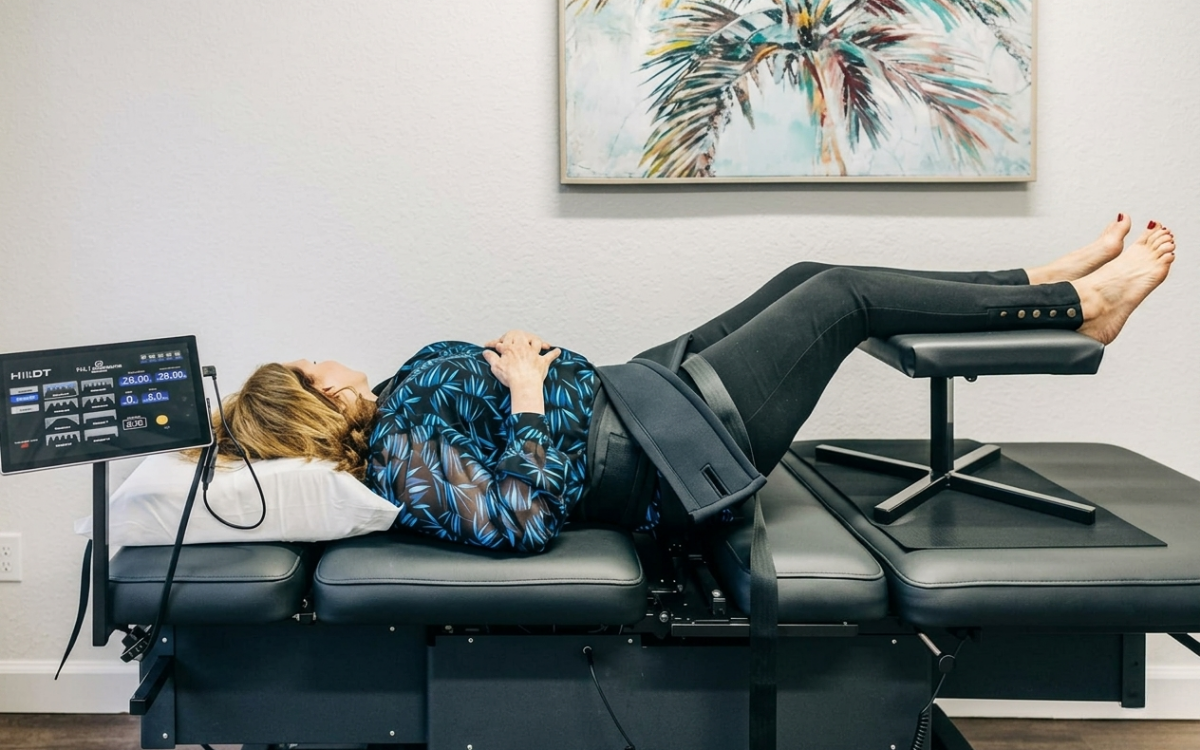
Spinal decompression therapy is a non-surgical treatment designed to relieve pressure on spinal discs and surrounding nerves. The therapy uses a specialized traction table and computerized technology to gently stretch the spine in a controlled manner. Complete Performance Chiropractic describes spinal decompression as a non-invasive treatment that helps relieve back and leg pain while promoting healing and improved mobility.
The purpose of decompression is to create negative pressure within damaged discs. This process may help:
Reduce disc pressure
Improve nutrient delivery
Increase hydration within discs
Encourage natural healing
Reduce nerve compression
Improve circulation around injured tissues
Unlike traditional traction methods, modern spinal decompression systems use computerized controls to create precise treatment protocols tailored to individual patients. Research and clinical practice suggest that decompression may help create a favorable environment for healing in patients with disc-related conditions.
How Spinal Decompression Works
During treatment, the patient lies comfortably on a specialized decompression table.
The system applies carefully controlled stretching and relaxation cycles to specific segments of the spine.
This process may help:
Separate vertebrae slightly
Reduce disc compression
Relieve pressure on spinal nerves
Promote fluid movement into discs
Encourage oxygen and nutrient exchange
Many patients describe the treatment as relaxing and comfortable. Some even fall asleep during sessions because of the gentle nature of the therapy. According to Complete Performance Chiropractic, treatment sessions are typically comfortable and usually last approximately 20 to 30 minutes.
Conditions Commonly Treated with Spinal Decompression
Spinal decompression may benefit individuals suffering from various spinal conditions. You can read deeper insights on these individual diagnoses on our dedicated Conditions resource hub.
Herniated Discs
A herniated disc occurs when the inner disc material pushes through the outer layer and irritates nearby nerves.
Symptoms may include:
Back pain
Neck pain
Leg pain
Arm pain
Numbness
Weakness
Bulging Discs
Bulging discs occur when the disc extends beyond its normal boundaries without fully rupturing.
This may lead to:
Localized pain
Radiating pain
Reduced mobility
Degenerative Disc Disease
As discs deteriorate over time, they may lose height and flexibility.
Common symptoms include:
Chronic pain
Stiffness
Reduced function
Sciatica
Sciatica develops when the sciatic nerve becomes compressed or irritated.
Symptoms may include:
Shooting leg pain
Burning sensations
Tingling
Numbness
Spinal Stenosis
Narrowing of spinal canals can place pressure on nerves and create pain, numbness, and weakness.
Facet Joint Dysfunction
Joint irritation in the spine often develops alongside disc issues and contributes to chronic discomfort.
Why Patients Seek Alternatives to Surgery
Back surgery can be necessary in certain cases. However, many patients prefer exploring conservative treatment options before considering invasive procedures.
Potential concerns associated with surgery may include:
Recovery time
Surgical risks
Scar tissue formation
Infection risk
Limited effectiveness in some cases
Financial costs
Spinal decompression provides a non-surgical option that may help patients avoid or delay more invasive interventions. Complete Performance Chiropractic specifically offers decompression as an alternative to surgical procedures such as laminectomy and microdiscectomy for appropriate candidates.
Advantages of Spinal Decompression Therapy
Many patients choose spinal decompression because it offers several potential benefits.
Non-Surgical Treatment
No incisions are required.
Drug-Free Care
Treatment does not rely on prescription pain medication.
Improved Mobility
Reducing spinal pressure may help restore normal movement patterns.
Targeted Pain Relief
Treatment focuses directly on the affected spinal structures.
Minimal Downtime
Patients can usually resume normal daily activities shortly after treatment.
Comfortable Sessions
Most patients report a gentle stretching sensation rather than pain.
Customized Care
Treatment settings can be adjusted to match individual needs.
What to Expect During Your First Visit
Every patient begins with a thorough evaluation.
This typically includes:
Medical history review
Symptom assessment
Physical examination
Orthopedic testing
Neurological evaluation
Discussion of treatment goals
The purpose is to determine whether spinal decompression is appropriate for your condition.
At Complete Performance Chiropractic, treatment plans are customized according to each patient’s needs and health history.
What a Typical Treatment Plan Looks Like
Every case is unique.
Factors influencing treatment recommendations include:
Severity of symptoms
Duration of condition
Overall health
Age
Activity level
Treatment goals
A decompression program may involve multiple sessions over several weeks to achieve optimal results.
Supporting therapies may also be recommended.
Combining Spinal Decompression with Other Therapies
Comprehensive care often produces better outcomes than relying on a single treatment approach.
Complete Performance Chiropractic frequently combines spinal decompression with additional services to support recovery. Explore our full suite of care on our services page.
These may include:
Chiropractic Adjustments
Adjustments help improve joint mobility and spinal alignment.
Laser Therapy
Laser therapy may support circulation and tissue repair while reducing inflammation.
Soft Tissue Techniques
Muscle tension and fascial restrictions often contribute to chronic pain patterns.
Corrective Exercises
Strengthening and stabilization exercises help support long-term spinal health.
Nutritional Guidance
Proper nutrition can support tissue repair and overall wellness.
Lifestyle Changes That Support Disc Recovery
Spinal decompression works best when combined with healthy habits. Read more tips and recovery strategies on our clinic blog.
Improve Posture
Maintain neutral spinal alignment when sitting and standing.
Stay Active
Regular movement promotes circulation and spinal health.
Strengthen Core Muscles
Strong abdominal and back muscles help stabilize the spine.
Maintain Healthy Body Weight
Reducing excess weight decreases spinal stress.
Practice Proper Lifting Techniques
Avoid twisting while lifting heavy objects.
Stay Hydrated
Hydration helps maintain disc health and flexibility.
Is Spinal Decompression Right for Everyone?
Although many patients benefit from decompression therapy, not everyone is an ideal candidate.
Certain medical conditions may require alternative treatment approaches.
Examples include:
Severe osteoporosis
Certain spinal fractures
Advanced spinal instability
Some surgical hardware situations
Certain spinal tumors
A professional evaluation is necessary to determine whether decompression is appropriate.
Signs You Should Consider Spinal Decompression
You may be a candidate if you:
Have chronic back pain
Experience sciatica
Have a diagnosed herniated disc
Have a bulging disc
Experience recurring neck pain
Want to avoid surgery
Want to reduce reliance on medication
Have not achieved lasting relief through other conservative treatments
Long-Term Benefits of Addressing Disc Problems Early
Ignoring spinal problems often allows them to worsen over time.
Early intervention may help:
Prevent progression
Reduce chronic inflammation
Improve mobility
Preserve function
Support long-term spinal health
Minimize future complications
Seeking treatment before symptoms become severe can often improve outcomes and quality of life.
Frequently Asked Questions
Is spinal decompression painful?
Most patients describe treatment as comfortable and relaxing. You may feel a gentle stretching sensation during the session.
How long does each session take?
Treatment sessions generally last between 20 and 30 minutes, although some treatment plans may vary depending on the condition being addressed.
How many treatments will I need?
The number of sessions depends on your diagnosis, symptom severity, and overall treatment goals.
Can spinal decompression help sciatica?
Yes. Many patients with sciatica seek decompression therapy because it may help reduce pressure on the sciatic nerve.
Is surgery still necessary after decompression?
Some severe cases may still require surgical evaluation. However, many patients explore decompression first as a conservative treatment option.
Can decompression help neck pain?
Yes. Cervical decompression protocols may be used for certain neck-related disc conditions.
Is spinal decompression covered by insurance?
Coverage varies by insurance provider and policy. Contact the clinic directly to discuss your specific benefits.
Can I continue normal activities during treatment?
Most patients can continue their regular daily activities while participating in a decompression program.
Conclusion
Disc-related pain can significantly impact your comfort, mobility, productivity, and overall quality of life. Whether your symptoms stem from a herniated disc, bulging disc, degenerative disc disease, or sciatica, you do not have to assume that surgery or injections are your only options.
Spinal decompression therapy offers a non-surgical, drug-free approach designed to reduce pressure on the spine, encourage healing, and help restore normal function. When combined with chiropractic care, corrective exercises, and healthy lifestyle habits, decompression therapy may provide meaningful relief and support long-term spinal wellness.
If persistent back pain, neck pain, or nerve-related symptoms are interfering with your life, exploring conservative treatment options may be an important step toward recovery.
If you are looking for a non-surgical solution for disc pain, the team at Complete Performance Chiropractic is committed to helping patients find lasting relief through personalized care plans and advanced spinal decompression therapy. The clinic offers spinal decompression, chiropractic care, laser therapy, acupuncture, and other wellness services designed to improve function and quality of life.
📍 Address: Complete Performance Chiropractic
3920 S Old Highway 94, Suite 33
Saint Charles, MO 63304 United States
📞 Phone: (636) 925-1919
🌐 Website: https://drleitman.com
Schedule your consultation today and learn whether spinal decompression therapy can help you move, feel, and live better without surgery or injections.