
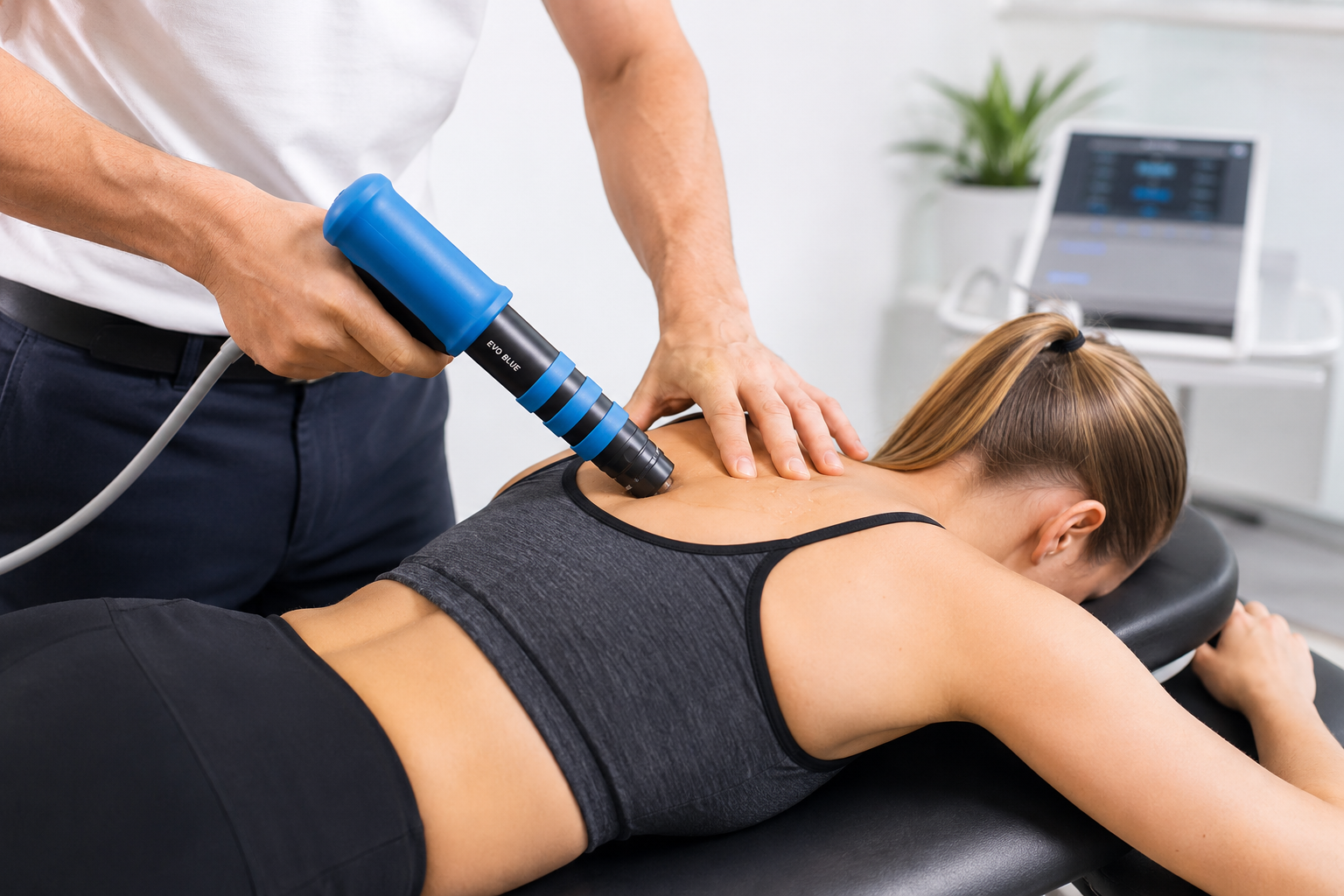
Persistent pain can make even the simplest daily activities feel challenging. Whether it is discomfort in your heel when you wake up, lingering shoulder pain that limits your range of motion, or chronic tendon irritation that refuses to improve despite rest, living with ongoing pain can affect your work, hobbies, exercise routine, and overall quality of life.
At Complete Performance Chiropractic, we believe that pain should be understood—not simply masked. While medications may temporarily reduce symptoms, they often do little to address the underlying issue causing the discomfort. That is why we offer Shockwave Therapy as part of a comprehensive approach to musculoskeletal care.
Shockwave Therapy is a non-invasive treatment designed to stimulate your body’s natural healing response. Instead of covering up pain, it works to encourage tissue repair, improve circulation, and help restore healthy movement where chronic injury or inflammation has slowed recovery.
If you have tried stretching, ice, medications, physical therapy, or injections without lasting relief, Shockwave Therapy may be the missing piece in your recovery plan.
What Is Shockwave Therapy?
Shockwave Therapy, also known as Extracorporeal Shockwave Therapy (ESWT), uses controlled acoustic waves that travel through injured tissues, according to Cleveland Clinic. These high-energy sound waves stimulate biological processes that promote healing within muscles, tendons, ligaments, and connective tissue.
Despite its name, Shockwave Therapy does not involve electrical shocks. Instead, specialized equipment delivers mechanical pressure waves to targeted tissues beneath the skin.
These acoustic waves help:
Increase local blood circulation
Stimulate cellular repair
Break down scar tissue and calcifications
Encourage collagen production
Improve tissue metabolism
Reduce chronic inflammation
Activate the body’s natural healing mechanisms
Rather than simply decreasing pain signals, Shockwave Therapy supports actual tissue recovery, making it an effective option for many chronic orthopedic conditions.
Why Chronic Pain Often Doesn’t Heal on Its Own
Many soft tissue injuries heal naturally within several weeks. However, some injuries become chronic because the body’s healing process slows down or becomes incomplete.
This commonly occurs when:
Blood supply to the tissue is limited
Scar tissue develops
Tendons experience repetitive stress
Small injuries accumulate over time
Inflammation persists longer than expected
Mechanical stress continues during daily activities
As healing stalls, pain can become an ongoing problem. This explains why some people continue experiencing symptoms months—or even years—after the original injury.
Shockwave Therapy helps restart the healing process by stimulating biological activity in areas where recovery has slowed.
How Shockwave Therapy Works
When acoustic waves enter damaged tissue, several important biological responses occur.
Increased Blood Flow
Healthy circulation is essential for healing. Blood carries oxygen, nutrients, and specialized repair cells that damaged tissues need.
Shockwave Therapy promotes the formation of new blood vessels while improving circulation to injured structures.
Better blood flow supports:
Faster healing
Reduced inflammation
Improved nutrient delivery
Waste removal from damaged tissue
Cellular Stimulation
Every tissue in your body depends on active cells to repair damage.
Shockwave Therapy stimulates cells responsible for healing, encouraging them to produce new healthy tissue.
This process helps injured tendons and ligaments regain strength over time.
Collagen Production
Collagen is one of the primary building blocks of connective tissues.
Healthy collagen provides:
Tendon strength
Ligament stability
Tissue flexibility
Structural support
Shockwave Therapy encourages collagen remodeling, allowing damaged tissue to become stronger and more functional.
Reduction of Pain Signals
Chronic pain is influenced by both tissue damage and nerve sensitivity.
Shockwave Therapy may reduce pain by affecting nerve receptors involved in transmitting pain signals while simultaneously improving tissue health.
Many patients report noticeable pain reduction after only a few treatment sessions.
Breakdown of Calcifications
Certain chronic tendon conditions develop calcium deposits that interfere with movement and cause ongoing discomfort.
Shockwave Therapy can help break down these deposits, allowing the body to gradually absorb them.
This may improve mobility while reducing pain.
Conditions That May Benefit from Shockwave Therapy
Shockwave Therapy is commonly used for a wide range of musculoskeletal conditions.
Plantar Fasciitis
One of the most common uses for Shockwave Therapy is plantar fasciitis.
Symptoms include:
Heel pain
Pain with first steps in the morning
Tenderness on the bottom of the foot
Pain after prolonged standing
Shockwave Therapy helps stimulate healing within the plantar fascia, reducing chronic irritation and improving comfort during walking.
Achilles Tendinitis
The Achilles tendon experiences significant stress during walking, running, and jumping.
Chronic Achilles problems often involve:
Morning stiffness
Swelling
Pain with activity
Tenderness above the heel
Shockwave Therapy encourages tendon repair while helping reduce chronic inflammation.
Tennis Elbow
Lateral epicondylitis, commonly known as tennis elbow, affects the tendons that attach to the outside of the elbow.
Pain may occur when:
Gripping objects
Lifting groceries
Turning a doorknob
Typing
Playing sports
Shockwave Therapy promotes tendon healing rather than only treating symptoms.
Golfer’s Elbow
Although commonly associated with golfers, this condition affects many individuals who perform repetitive gripping or lifting activities.
Treatment helps restore healthier tendon function while decreasing discomfort.
Shoulder Tendinopathy
Rotator cuff irritation can make reaching overhead painful.
Symptoms often include:
Pain while lifting
Limited range of motion
Difficulty sleeping on the affected side
Weakness
Shockwave Therapy supports healing within the injured tendons.
Calcific Shoulder Tendinitis
Calcium deposits within shoulder tendons can significantly reduce movement.
Shockwave Therapy helps break down these deposits while encouraging tissue repair.
Patellar Tendinitis
Sometimes called jumper’s knee, this condition affects the tendon below the kneecap.
Athletes commonly develop symptoms after repetitive jumping or running.
Shockwave Therapy stimulates tendon regeneration and may improve long-term function.
Hamstring Tendinopathy
Persistent hamstring pain can interfere with walking, running, and athletic performance.
Shockwave Therapy targets the injured tendon to encourage tissue remodeling.
Hip Tendinopathy
Pain along the outer hip may result from tendon irritation rather than joint arthritis.
Shockwave Therapy may reduce inflammation while promoting healthier tissue repair.
Shin Splints
Athletes and runners often experience pain along the shin due to repetitive stress.
Shockwave Therapy supports tissue recovery while helping reduce recurring symptoms.
Chronic Muscle Tightness
Certain muscle trigger points become resistant to stretching alone.
Shockwave Therapy helps release chronic tension while improving local circulation.
What Happens During Treatment?
Many patients are surprised by how simple the treatment process is.
A typical appointment includes:
Initial Evaluation
Before beginning care, we evaluate:
Your symptoms
Medical history
Movement patterns
Functional limitations
Areas of tenderness
Previous treatments
Understanding the source of your pain allows us to determine whether Shockwave Therapy is appropriate for your condition.
Preparing the Area
A conductive gel is applied to the treatment area.
This helps the acoustic waves travel efficiently through the skin.
Delivery of Acoustic Waves
A handheld device delivers controlled pulses into the injured tissue.
Patients commonly describe the sensation as:
Repetitive tapping
Mild pressure
Deep vibration
Temporary discomfort over sensitive areas
Treatment intensity can often be adjusted for comfort.
Duration
Most sessions last between 10 and 20 minutes depending on the size and location of the treatment area.
How Many Treatments Are Needed?
Recovery varies depending on:
The condition being treated
Severity of injury
Duration of symptoms
Activity level
Overall health
Many patients receive a series of treatments spaced over several weeks.
Some notice improvement after only one or two visits, while chronic conditions may require additional sessions to achieve optimal healing.
Our recommendations are based on your specific condition rather than a one-size-fits-all schedule.
Is Shockwave Therapy Painful?
Some tenderness during treatment is normal, particularly when treating chronic injuries.
Fortunately, most patients tolerate treatment well.
Temporary soreness afterward is also common and often resolves within one to two days.
Unlike surgery, recovery typically does not require lengthy downtime.
Most patients return to normal daily activities shortly after treatment.
Benefits of Shockwave Therapy
Many individuals choose Shockwave Therapy because it offers several important advantages.
Non-Invasive
There are no incisions, stitches, or surgical procedures involved.
Drug-Free
Shockwave Therapy supports natural healing without relying on long-term pain medications.
Minimal Recovery Time
Patients usually resume normal activities quickly.
Targets the Root Cause
Rather than masking pain, treatment encourages biological healing within damaged tissues.
Improved Mobility
As tissues heal, many patients notice improved flexibility and movement.
Supports Long-Term Recovery
Healthy tissue remodeling may help decrease future flare-ups and recurring pain.
Shockwave Therapy as Part of Comprehensive Care
While Shockwave Therapy can be highly effective, it often works best when integrated into a broader treatment plan.
Depending on your condition, care may also include:
Chiropractic Adjustments
Proper joint movement reduces abnormal stress placed on surrounding muscles and tendons.
Corrective Exercises
Strengthening weak muscles improves stability while helping prevent reinjury.
Stretching Programs
Improving flexibility decreases excessive tension on healing tissues.
Soft Tissue Therapy
Hands-on treatment can reduce muscle tightness while improving circulation.
Movement Education
Learning proper posture, lifting mechanics, and movement strategies helps reduce unnecessary strain during daily activities.
By combining multiple therapies, we can create a personalized plan focused on long-term recovery instead of short-term symptom relief.
Who Is a Good Candidate?
Shockwave Therapy may be appropriate for individuals who:
Have chronic tendon pain
Experience recurring soft tissue injuries
Want to avoid surgery when possible
Have not improved with conservative care alone
Want a non-invasive treatment option
Hope to return to sports or physical activity
Need improved mobility for work or everyday life
During your evaluation, we determine whether Shockwave Therapy fits your diagnosis and health history.
When Results May Be Seen
Every person’s healing timeline is different.
Some patients notice:
Reduced pain after a few sessions
Improved mobility
Better exercise tolerance
Less morning stiffness
Easier walking
Increased strength
Improved athletic performance
Healing continues between appointments as your body responds to the biological stimulation created during treatment.
Supporting Your Recovery
To maximize the benefits of Shockwave Therapy, we may recommend:
Staying hydrated
Following prescribed exercises
Avoiding activities that overload healing tissue
Maintaining healthy posture
Gradually returning to exercise
Getting adequate sleep
Eating a nutrient-rich diet to support tissue repair
Recovery is a partnership between treatment received in the clinic and healthy habits maintained at home.
Frequently Asked Questions
Is Shockwave Therapy safe?
Yes. When performed by trained healthcare professionals, Shockwave Therapy has been widely used for many musculoskeletal conditions and is considered a safe, non-invasive treatment option for appropriate candidates.
Does insurance cover Shockwave Therapy?
Coverage varies depending on your insurance plan. Our team can help explain your options and answer questions regarding treatment costs.
Can Shockwave Therapy replace surgery?
In some cases, it may help individuals avoid surgery by promoting healing in chronic soft tissue injuries. However, severe structural injuries may still require surgical evaluation.
Will I need to stop exercising?
This depends on your condition. Some patients continue modified activity, while others benefit from temporarily reducing high-impact exercises to allow tissues to heal.
Are there side effects?
Most side effects are mild and temporary, such as slight redness, tenderness, or soreness in the treated area. These symptoms usually resolve within a day or two.
Can Shockwave Therapy be combined with chiropractic care?
Absolutely. Combining Shockwave Therapy with chiropractic adjustments, rehabilitation exercises, and other conservative treatments often provides a more comprehensive approach to recovery.
How long does each session take?
Most Shockwave Therapy appointments take approximately 10 to 20 minutes, although the total visit may be longer if additional treatments are included in your personalized care plan.
What if I have had pain for years?
Even long-standing conditions may respond well to Shockwave Therapy. During your evaluation, we will assess your specific situation and discuss realistic expectations based on the nature and duration of your symptoms.
Conclusion
Living with persistent pain should not become your new normal. Whether your discomfort stems from chronic tendon injuries, plantar fasciitis, shoulder pain, or another musculoskeletal condition, finding the right treatment can make a meaningful difference in your recovery journey.
Shockwave Therapy offers a modern, evidence-informed approach that works by stimulating your body’s natural healing processes instead of simply masking pain. By increasing circulation, encouraging tissue repair, and addressing the underlying source of discomfort, this non-invasive treatment may help you move more comfortably and return to the activities you enjoy.
At Complete Performance Chiropractic, every treatment plan begins with understanding your unique needs, goals, and lifestyle. Our focus is on helping you achieve lasting improvements through personalized care that supports healing, restores function, and promotes long-term wellness.
If stubborn pain has been limiting your work, exercise, or everyday life, we’re here to help you explore solutions that go beyond temporary relief. Contact Complete Performance Chiropractic to schedule an evaluation and learn whether Shockwave Therapy is the right fit for your condition.
Complete Performance Chiropractic
📍 Address: 3920 S Old Highway 94, Suite 33, Saint Charles, MO 63304, United States
📞 Phone: (636) 925-1919
🌐 Website: https://drleitman.com