
Chronic pain can affect every aspect of life—from getting out of bed in the morning to working, exercising, sleeping, and spending time with loved ones. For millions of people, pain becomes more than just a symptom. It becomes a daily struggle that limits mobility, reduces energy, and negatively impacts emotional well-being.
Traditional treatments such as pain medications, steroid injections, and surgery may provide temporary relief, but they often fail to address the underlying source of the pain. Many people are left frustrated after trying multiple therapies without lasting success.
Fortunately, advancements in non-invasive regenerative medicine are changing the way chronic pain is treated. One of the most promising options available today is targeted sound wave therapy, also known as shockwave therapy. This innovative treatment helps stimulate healing naturally by using acoustic waves to target damaged tissues, improve blood flow, and reduce inflammation.
At Complete Performance Chiropractic, patients are discovering a drug-free, surgery-free solution designed to help them regain mobility, reduce discomfort, and improve overall quality of life. Whether you suffer from back pain, shoulder pain, plantar fasciitis, tendonitis, or chronic joint pain, targeted sound wave therapy may provide the long-term relief you’ve been searching for.
Understanding Chronic Pain
Chronic pain is typically defined as pain lasting longer than three months. Unlike acute pain, which serves as a warning signal for injury, chronic pain can persist long after tissues have healed.
This ongoing discomfort may result from:
-
Repetitive strain injuries
-
Poor posture
-
Sports injuries
-
Degenerative conditions
-
Inflammation
-
Scar tissue buildup
-
Reduced circulation
-
Nerve irritation
-
Muscle imbalances
-
Aging-related wear and tear
Common chronic pain conditions include:
-
Neck pain
-
Lower back pain
-
Sciatica
-
Knee pain
-
Shoulder pain
-
Tennis elbow
-
Achilles tendonitis
-
Plantar fasciitis
-
Hip pain
-
Arthritis-related discomfort
For many patients, chronic pain gradually worsens over time when left untreated.
The Limitations of Traditional Pain Treatments
Many conventional treatments focus primarily on masking symptoms rather than correcting the root cause of pain.
Pain Medications
Over-the-counter and prescription pain relievers may temporarily reduce discomfort, but long-term use can lead to:
-
Dependency risks
-
Gastrointestinal issues
-
Liver damage
-
Fatigue
-
Reduced effectiveness over time
Steroid Injections
Steroid injections may reduce inflammation temporarily, but repeated injections can weaken tissues and joints.
Surgery
While surgery may be necessary in severe cases, it also comes with:
-
Long recovery periods
-
Infection risks
-
Scar tissue formation
-
High costs
-
Potential complications
Many patients prefer exploring non-invasive alternatives before considering surgical intervention.
What Is Targeted Sound Wave Therapy?
Targeted sound wave therapy, often referred to as extracorporeal shockwave therapy (ESWT), uses high-energy acoustic waves to stimulate the body’s natural healing response.
The therapy delivers controlled sound waves directly into damaged tissues to:
-
Increase circulation
-
Stimulate cellular repair
-
Break down scar tissue
-
Reduce inflammation
-
Improve mobility
-
Accelerate tissue regeneration
Unlike medications that only dull pain temporarily, sound wave therapy encourages the body to heal itself naturally.
How Sound Wave Therapy Works
When acoustic waves penetrate injured tissues, they trigger several biological responses that support healing.
Increased Blood Flow
One of the primary benefits of sound wave therapy is improved circulation. Better blood flow means injured tissues receive more oxygen and nutrients necessary for recovery.
Cellular Regeneration
Sound waves stimulate metabolic activity at the cellular level, helping damaged tissues repair faster.
Scar Tissue Breakdown
Chronic injuries often involve scar tissue buildup that limits movement and causes pain. Sound wave therapy helps break down these adhesions.
Reduced Inflammation
Inflammation is a major contributor to chronic pain. Targeted acoustic waves help calm inflammatory responses within tissues.
Pain Signal Reduction
Sound wave therapy may also disrupt pain signaling pathways, providing relief from persistent discomfort.
Conditions Commonly Treated with Sound Wave Therapy
At Complete Performance Chiropractic, targeted sound wave therapy is often used to help patients experiencing a variety of musculoskeletal conditions.
Plantar Fasciitis
Plantar fasciitis is one of the most common causes of heel pain. Sound wave therapy helps stimulate healing in the thick connective tissue along the bottom of the foot.
Patients often experience:
-
Reduced heel pain
-
Better walking comfort
-
Improved mobility
-
Faster recovery
Tennis Elbow
Tennis elbow involves inflammation and microtears in the tendons of the elbow.
Sound wave therapy can:
-
Improve tendon healing
-
Reduce pain
-
Restore grip strength
-
Improve flexibility
Shoulder Pain
Chronic shoulder pain may result from rotator cuff injuries, bursitis, or frozen shoulder.
Treatment may help:
-
Improve range of motion
-
Decrease inflammation
-
Reduce stiffness
-
Enhance recovery
Achilles Tendonitis
The Achilles tendon is vulnerable to overuse injuries, especially in athletes and active adults.
Sound wave therapy may help:
-
Promote tendon repair
-
Reduce pain during walking or running
-
Improve flexibility
-
Accelerate healing
Knee Pain
Chronic knee discomfort often stems from arthritis, tendon injuries, or overuse.
Therapy may help:
-
Reduce stiffness
-
Improve joint mobility
-
Enhance circulation
-
Support tissue repair
Lower Back Pain
Back pain is one of the leading causes of disability worldwide.
Sound wave therapy may assist with:
-
Muscle tightness
-
Chronic inflammation
-
Trigger points
-
Soft tissue injuries
Why Chronic Pain Persists
Many chronic pain conditions fail to heal properly because damaged tissues receive insufficient blood supply.
Tendons and ligaments naturally have limited circulation, making recovery slower compared to muscles.
Without adequate healing:
-
Inflammation remains active
-
Scar tissue develops
-
Mobility decreases
-
Pain becomes chronic
Targeted sound wave therapy helps restart the healing process in these stubborn areas.
Benefits of Targeted Sound Wave Therapy
Patients increasingly choose sound wave therapy because it offers numerous advantages over invasive procedures.
Non-Invasive Treatment
No surgery means:
-
No incisions
-
No anesthesia
-
No lengthy recovery periods
Drug-Free Relief
Patients can reduce reliance on pain medications and avoid associated side effects.
Fast Treatment Sessions
Most sessions take approximately 15–30 minutes.
Minimal Downtime
Many patients return to normal activities immediately after treatment.
Improved Mobility
Reduced inflammation and scar tissue often lead to greater flexibility and movement.
Long-Term Healing
Rather than masking symptoms, therapy targets underlying tissue dysfunction.
What to Expect During Treatment
Patients often wonder what happens during a sound wave therapy session.
Initial Evaluation
The provider first evaluates:
-
Pain location
-
Injury history
-
Range of motion
-
Tissue sensitivity
-
Functional limitations
This helps determine whether sound wave therapy is appropriate.
Treatment Application
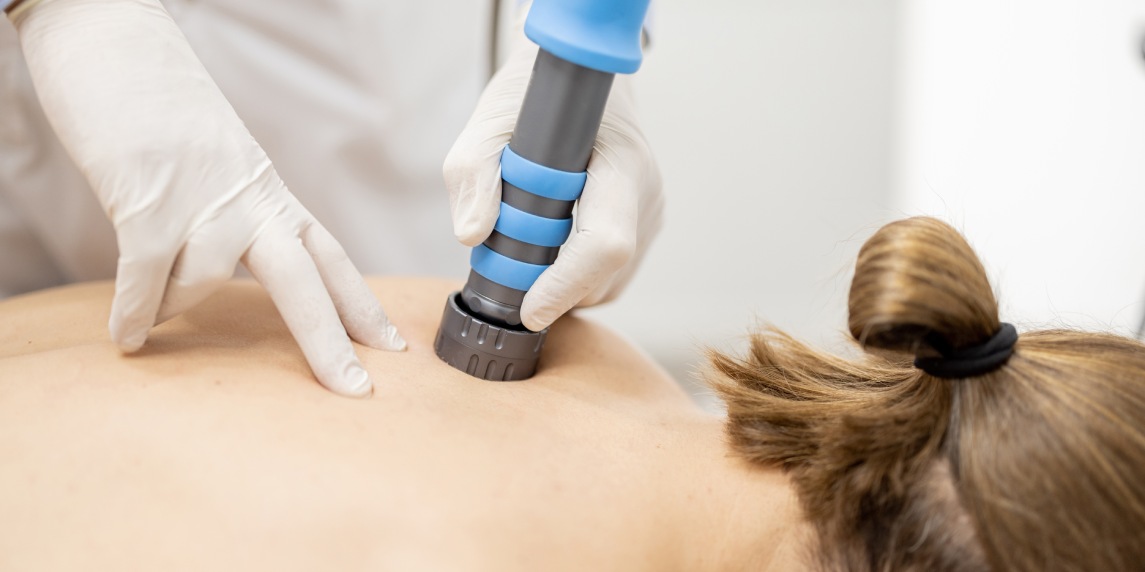
A handheld device delivers acoustic waves directly to the affected area.
Patients may feel:
-
Pulsing sensations
-
Mild tapping
-
Temporary tenderness
-
Increased sensitivity in tight areas
Most people tolerate the procedure well.
Treatment Duration
Sessions typically last between 15 and 30 minutes depending on the condition being treated.
Recovery After Treatment
There is usually little to no downtime.
Some patients experience mild soreness for 24–48 hours as healing responses begin.
How Many Sessions Are Needed?
Treatment recommendations vary depending on:
-
Severity of the condition
-
Duration of symptoms
-
Patient age
-
Tissue health
-
Activity level
Many patients benefit from a series of 4–8 sessions spaced over several weeks.
Some individuals notice improvement after the first treatment, while others experience gradual progress over time.
Who Is a Good Candidate for Sound Wave Therapy?
Sound wave therapy may be beneficial for individuals who:
-
Have chronic pain lasting several months
-
Want to avoid surgery
-
Prefer non-drug treatments
-
Have tendon or ligament injuries
-
Experience sports injuries
-
Struggle with repetitive strain conditions
-
Have failed conservative treatments
Athletes, active adults, office workers, and older adults may all benefit.
Sound Wave Therapy for Athletes
Athletes place tremendous stress on muscles, tendons, and joints.
Common sports injuries treated with sound wave therapy include:
-
Shin splints
-
Jumper’s knee
-
Hamstring strains
-
Shoulder overuse injuries
-
Achilles tendonitis
-
Hip pain
Benefits for athletes include:
-
Faster recovery
-
Reduced downtime
-
Improved performance
-
Enhanced mobility
Because the treatment is non-invasive, many athletes incorporate it into rehabilitation programs.
The Connection Between Inflammation and Chronic Pain
Inflammation is the body’s natural response to injury. However, chronic inflammation can become harmful.
Persistent inflammation may:
-
Damage tissues
-
Increase stiffness
-
Limit movement
-
Sensitize nerves
-
Prolong healing
Targeted sound wave therapy helps regulate inflammatory responses while encouraging tissue repair.
The Role of Scar Tissue in Pain
Scar tissue forms as part of the healing process, but excessive buildup can create problems.
Scar tissue may:
-
Restrict movement
-
Reduce flexibility
-
Cause stiffness
-
Compress nerves
-
Trigger chronic pain
Acoustic wave therapy helps break down these adhesions and improve tissue mobility.
Combining Sound Wave Therapy with Chiropractic Care
At Complete Performance Chiropractic, sound wave therapy may be integrated with chiropractic care and rehabilitation strategies for a comprehensive approach.
This combination may help:
-
Improve spinal alignment
-
Reduce joint stress
-
Enhance muscle balance
-
Increase mobility
-
Support long-term recovery
Treating both structural and soft tissue issues often produces better outcomes.
Lifestyle Factors That Influence Chronic Pain
Successful pain management often involves addressing lifestyle habits as well.
Posture
Poor posture places excess strain on muscles and joints.
Physical Activity
Regular movement improves circulation and joint health.
Sleep
Inadequate sleep can increase pain sensitivity and inflammation.
Nutrition
A balanced diet supports tissue repair and reduces inflammatory stress.
Stress Management
Chronic stress can increase muscle tension and worsen pain perception.
Preventing Chronic Pain from Returning
After treatment, patients can often reduce recurrence risks by:
-
Maintaining proper posture
-
Stretching regularly
-
Staying active
-
Strengthening supportive muscles
-
Wearing proper footwear
-
Managing body weight
-
Addressing injuries early
Preventive care plays a major role in long-term pain relief.
Why Early Treatment Matters
Waiting too long to address chronic pain may allow conditions to worsen.
Untreated pain can lead to:
-
Compensatory movement patterns
-
Muscle weakness
-
Reduced mobility
-
Joint degeneration
-
Emotional stress
-
Lower quality of life
Early intervention often improves recovery outcomes significantly.
Emotional Effects of Chronic Pain
Chronic pain affects more than physical health.
Persistent discomfort can contribute to:
-
Anxiety
-
Depression
-
Irritability
-
Sleep disturbances
-
Fatigue
-
Reduced productivity
Effective pain management may improve both physical and emotional well-being.
Advanced Technology for Modern Pain Relief
Modern regenerative therapies continue evolving to provide safer and more effective treatment options.
Targeted sound wave therapy represents a growing shift toward:
-
Natural healing
-
Non-invasive care
-
Drug-free pain management
-
Functional recovery
Patients seeking alternatives to surgery increasingly turn to these innovative approaches.
Frequently Asked Questions
Is sound wave therapy painful?
Most patients tolerate treatment well. Some areas may feel mildly uncomfortable, especially where inflammation or scar tissue is present, but sessions are generally manageable.
How soon will I notice results?
Some patients notice relief after one session, while others improve gradually over several treatments.
Is there downtime after treatment?
Minimal downtime is required. Most patients return to normal activities immediately.
How long does each session last?
Most appointments last between 15 and 30 minutes.
Can sound wave therapy replace surgery?
In some cases, it may help patients avoid surgery, especially when treated early. However, severe structural injuries may still require surgical evaluation.
Is sound wave therapy safe?
Yes. When administered by trained professionals, it is considered a safe non-invasive treatment option.
What conditions respond best to treatment?
Tendon injuries, plantar fasciitis, chronic soft tissue pain, shoulder conditions, and repetitive strain injuries often respond very well.
How many sessions will I need?
Treatment plans vary, but many patients receive 4–8 sessions.
Can athletes benefit from this therapy?
Absolutely. Many athletes use sound wave therapy to accelerate recovery and improve performance.
Is the treatment covered by insurance?
Coverage varies depending on the provider and insurance plan. Patients should contact the clinic directly for details.
Conclusion
Living with chronic pain can feel exhausting and overwhelming, especially when traditional treatments fail to provide lasting relief. Fortunately, targeted sound wave therapy offers a modern, non-invasive solution designed to stimulate the body’s natural healing process.
By improving circulation, reducing inflammation, breaking down scar tissue, and promoting tissue repair, sound wave therapy may help patients reclaim mobility and enjoy a better quality of life without relying heavily on medications or invasive procedures.
Whether you struggle with back pain, tendon injuries, plantar fasciitis, or chronic joint discomfort, exploring regenerative therapies may be the first step toward long-term recovery.
At Complete Performance Chiropractic, patients receive personalized care focused on restoring movement, reducing pain, and supporting overall wellness.
If chronic pain is interfering with your daily life, now may be the time to explore a non-invasive treatment option that targets the root cause of your discomfort.
Contact Complete Performance Chiropractic today to learn more about targeted sound wave therapy and discover a customized approach to pain relief and recovery.
📍 Address:
Complete Performance Chiropractic
3920 S Old Highway 94, Suite 33
Saint Charles, MO 63304
United States
📞 Phone: (636) 925-1919
🌐 Website: https://drleitman.com