Peripheral Neuropathy Symptoms: The Early Signs to Watch For
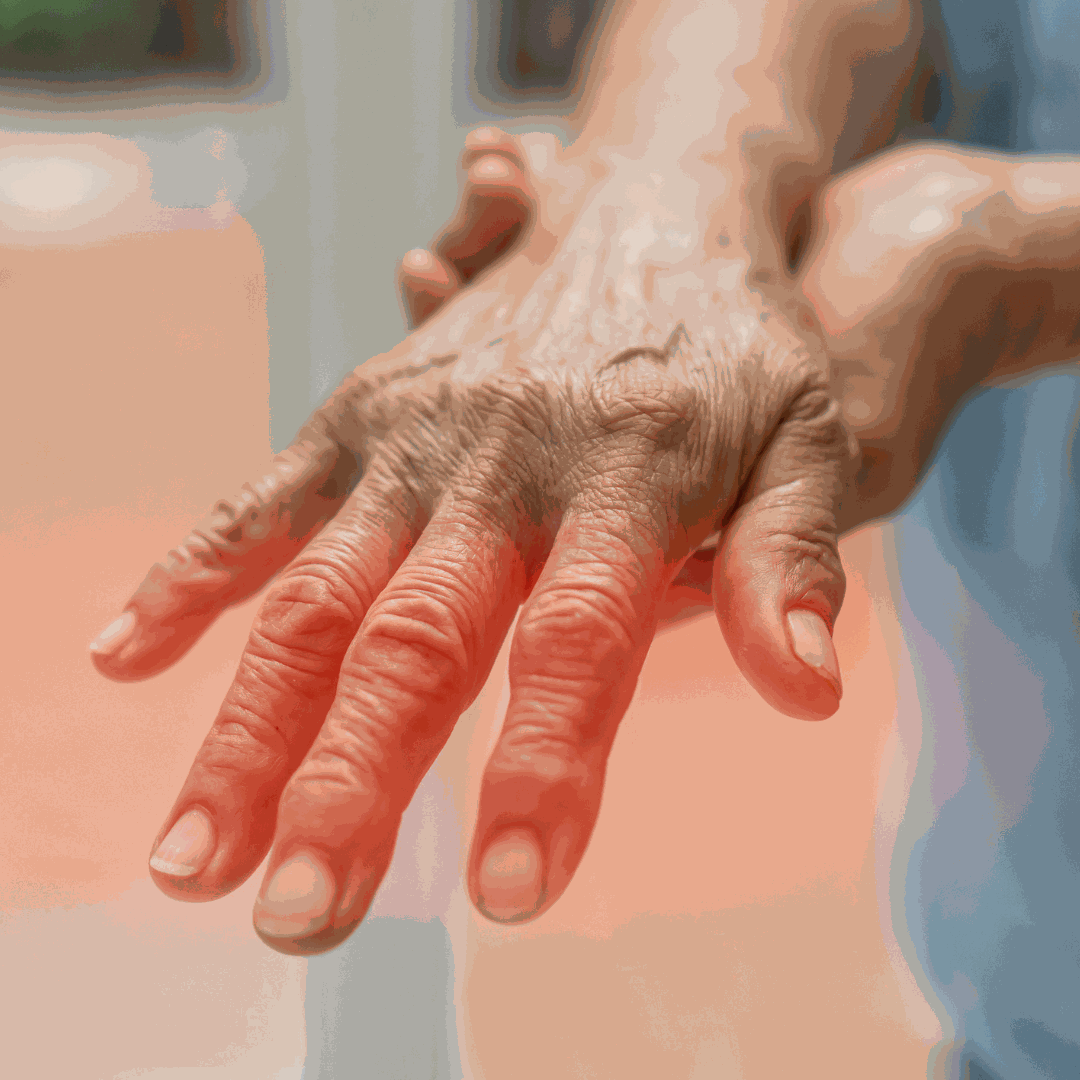
It often starts small. A pins-and-needles feeling in your toes that doesn't go away. Fingers that feel slightly numb when you wake up. A burning sensation in the soles of your feet at night. Many people brush these changes off at first, but unusual sensations in the hands and feet can be some of the earliest peripheral neuropathy symptoms.
Peripheral neuropathy happens when the nerves outside the brain and spinal cord are damaged or not working properly. These nerves carry signals between your body and your brain, so when they are affected, you may notice changes in feeling, strength, and coordination.
At Complete Performance Chiropractic in St. Charles, MO, we talk with many people who are just beginning to notice these sensations and want to understand what is happening. This guide covers the early warning signs, common causes, and the treatment options available.
Early Warning Signs of Peripheral Neuropathy
Symptoms usually begin in the hands or feet and may slowly spread upward. Common early signs include:
- Tingling: a pins-and-needles or "falling asleep" feeling, often in the toes or fingertips.
- Numbness: reduced feeling, as if you are wearing socks or gloves when you aren't.
- Burning sensations: burning, sharp, or electric-like pain, which is often worse at night.
- Weakness: trouble gripping objects, dropping things, or feeling that your feet are heavy.
- Sensitivity to touch: discomfort from light pressure, such as bed sheets resting on your feet.
These symptoms can come and go at first. Because they often develop gradually, it's easy to wait too long before getting them checked.
Common Causes of Peripheral Neuropathy
Peripheral neuropathy is not one single condition. It has many possible causes, including:
- Diabetes: one of the most common causes. Over time, high blood sugar can damage nerves, especially in the feet and legs.
- Injuries: accidents, falls, and sports injuries can compress, stretch, or damage nerves.
- Nerve compression: pressure on nerves from problems such as a herniated disc or repetitive strain.
- Other factors: vitamin deficiencies, certain medications, infections, alcohol use, and some autoimmune conditions can also play a role.
Sometimes a cause isn't found right away, which is one more reason a thorough evaluation matters.
How Neuropathy Can Affect Balance, Mobility, and Everyday Life
Your feet send constant information to your brain about where you are and how you're standing. When those signals are disrupted, balance can suffer. People with neuropathy may feel unsteady on their feet, trip more easily, or have trouble walking on uneven ground or in the dark.
Everyday tasks can also become harder. Buttoning a shirt, writing, typing, or holding a cup may take more effort. Burning or tingling at night can interrupt sleep, and ongoing discomfort can make it harder to stay active.
Why Identifying the Underlying Cause Matters
Treating the symptoms alone may not address what is driving them. Finding the underlying cause helps guide the right care plan, whether that means working with your medical provider on blood sugar, addressing nerve compression, or looking at nutrition and lifestyle factors.
New, worsening, or spreading symptoms should always be evaluated. If you experience sudden weakness, numbness on one side of the body, or loss of bladder or bowel control, seek emergency medical care right away.
Treatment Options for Peripheral Neuropathy
The right approach depends on the cause and your individual needs. At our St. Charles clinic, care may include:
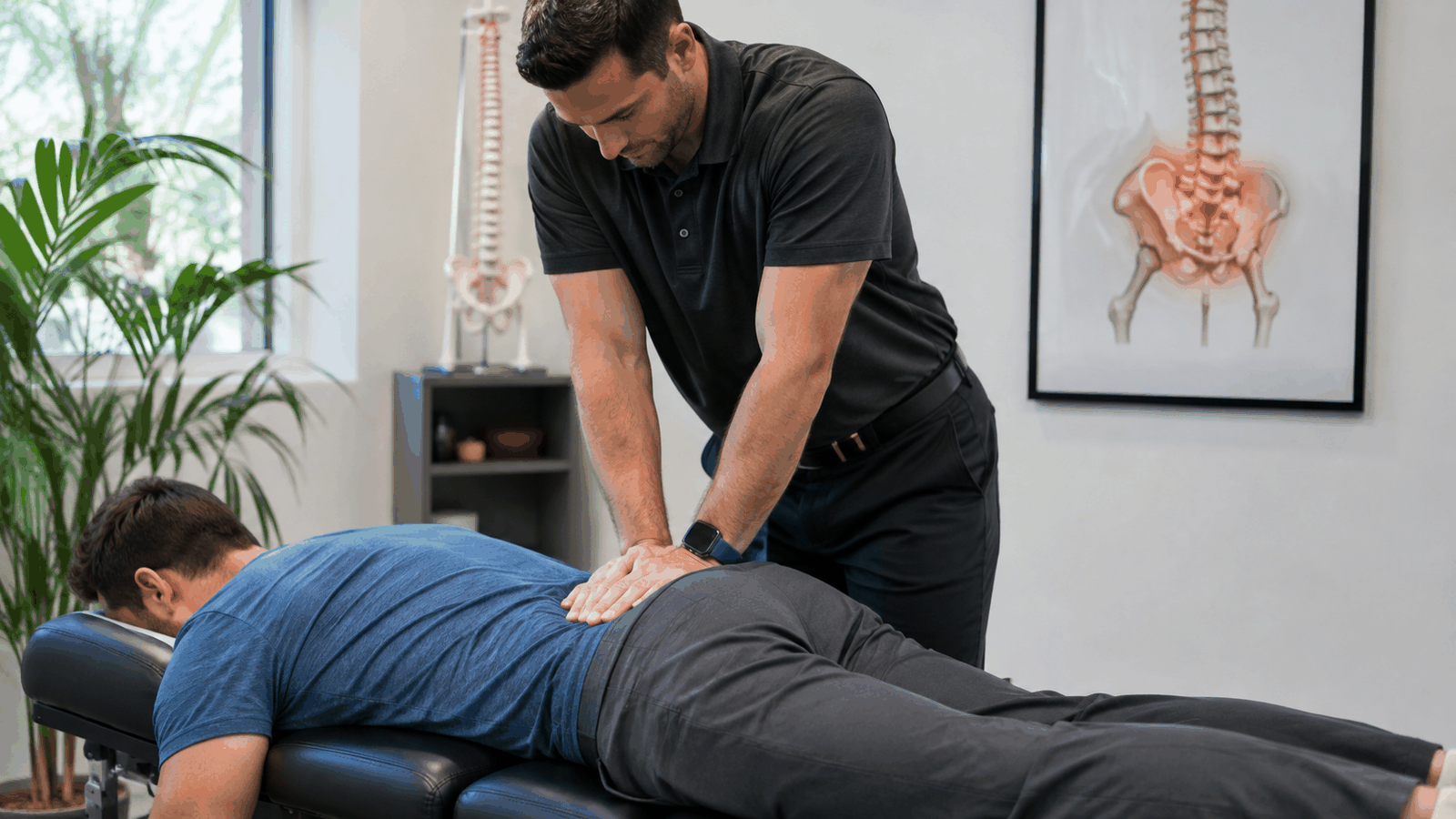
- Chiropractic evaluation: we review your health history and symptoms and check how your spine, joints, and nerves are working, to look for possible sources of nerve irritation.
- Class IV laser therapy: where appropriate, laser therapy is a non-invasive option used to support circulation and the body's natural healing process in affected areas.
- Functional medicine: looking at nutrition, inflammation, and lifestyle habits that may contribute to nerve health.
We also coordinate with your other healthcare providers when needed, especially when conditions such as diabetes are involved. You can read more about how we approach neuropathy care.
Get Answers About Your Symptoms in St. Charles, MO
If you have started noticing tingling, numbness, burning, or weakness in your hands or feet, you don't have to guess what's going on. Dr. Eric Leitman and our team at Complete Performance Chiropractic can evaluate your symptoms and talk through your options.
Call us at (636) 925-1919 or schedule an appointment online.